With almost 42 million people currently facing hunger and malnutrition, and almost 10 million internally displaced people or refugees in neighbouring countries, the West Africa and Sahel region is facing a serious food and nutrition situation.
With a view to finding an urgent response to the situation, the ECOWAS Commission has invited national food crisis management mechanisms, regional organisations and the international humanitarian community to discuss the state of preparedness of the response to food insecurity and improve complementarity/coordination between the various players.
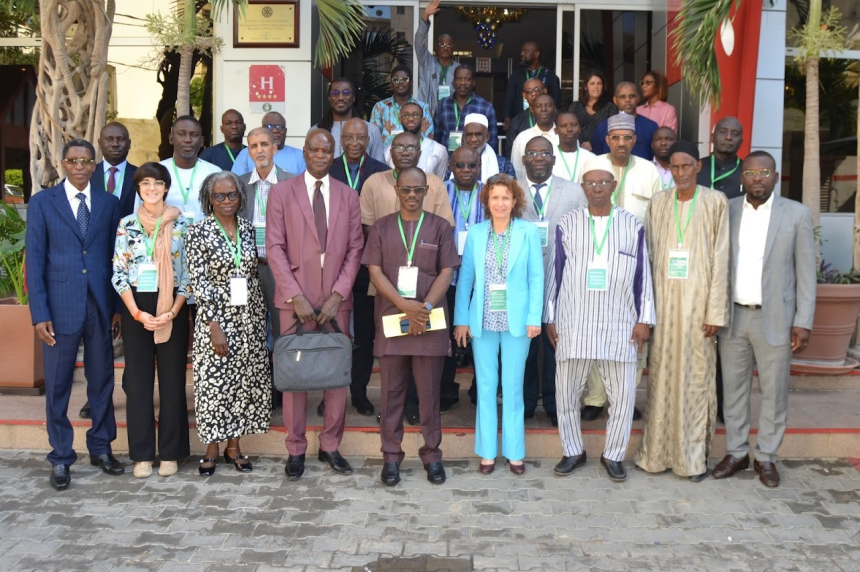
From 25 to 26 July 2023 in Dakar, the stakeholders and partners measured the response capacities of the countries, the region and the partners on the basis of the commitments; identified the gaps between the needs and the available resources and agreed on the complementary mobilisation strategy.
In a consensual manner, the intervention, coordination and monitoring and mechanisms at national and regional level were reviewed to make them more operational. An update was given on the state of food stocks in the countries and at the level of the Regional Food Security Reserve (RRSA), whose intervention are progressing in the service of countries in crisis.
The results of the study commissioned by ECOWAS on the assessment of national and regional response needs and capacities were also shared.
Given the growing number of people in crisis from year to year, targeting mechanisms have been evaluated and national and regional experiences have been shared.
This meeting was followed a restricted meeting with countries where food, nutrition and pastoral interventions will take place to revise the methodology for monitoring and evaluating national response plans and RRSA interventions, integrating indicators relating to the social and environmental dimensions, the "do no harm" approach, gender equity and food safety, in close collaboration with experts specialising in these fields. It was held on 27 and 28 July 2023.