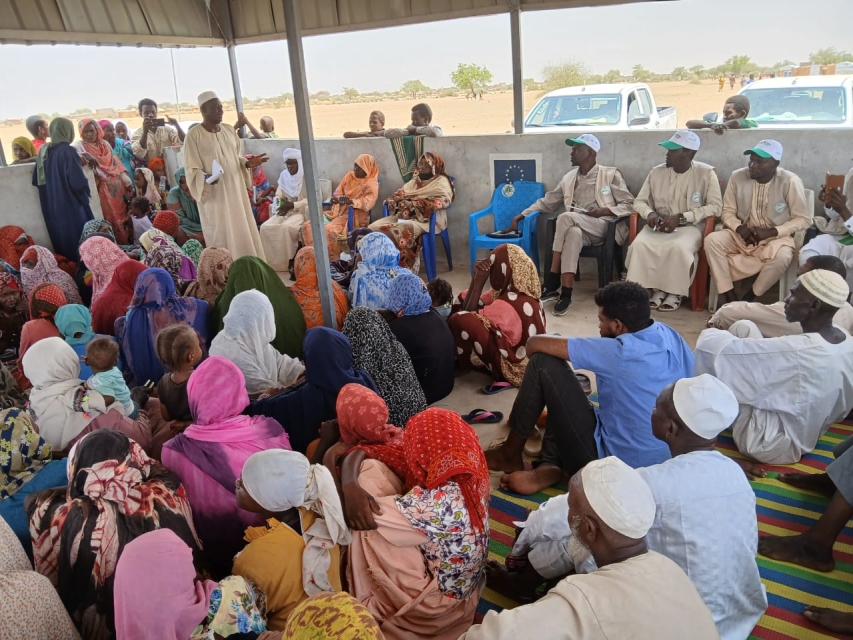
Since 23 May 2026, a mission to develop the Stakeholder Engagement Plan (SEP) for the West Africa Food System Resilience Programme in Chad (FSRP) has been deployed in the province of Ouaddaï. Through a series of consultations with administrative authorities, host communities, refugees and internally displaced persons, this initiative aims to gather the priority concerns of local populations in order to guide development and humanitarian assistance interventions in this region, which is highly exposed to social and climate vulnerabilities.
The SEP forms part of the implementation of the World Bank’s Environmental and Social Framework, in particular Environmental and Social Standard No. 10 (ESS 10), which focuses on stakeholder engagement and access to information. Through this participatory approach, the PRSA/FSRP aims to promote inclusive governance based on listening, transparency and the effective involvement of beneficiaries in all stages of the project.
Surveys conducted using digital forms have helped to document the main difficulties faced by local communities. Among the recurring concerns is the lack of agricultural equipment, the gradual decline in soil fertility, limited access to water for farming, and the low level of support for income-generating activities.
The mission also visited the site for refugees and internally displaced persons located approximately 2.5 kilometres from Abgoudam. Established in 2023, this site is home to nearly 1,408 people, 45 per cent of whom are women. The consultations carried out on site highlighted the scale of the humanitarian difficulties faced by the population on a daily basis.
Residents highlighted in particular the glaring lack of basic infrastructure, marked by the existence of a single water point and a limited number of latrines for the entire camp. Located in a flood-prone area, the site also exposes people to increased risks during the rainy season, further exacerbating their already precarious living conditions.
The internally displaced people also expressed their concerns regarding the prolonged absence of food aid, the lack of economic opportunities for young people, the inadequacy of educational infrastructure, and difficulties in accessing healthcare, particularly for pregnant women and vulnerable individuals.
The testimonies gathered also reveal persistent economic hardship among young graduates in the camp, who face unemployment, a lack of career prospects and particularly difficult living conditions.
The data collected as part of this mission will be used to develop the FSRP Chad’s SEP, designed as a strategic instrument for participatory governance. This mechanism will enable the identification of stakeholders affected by or interested in the project, and will facilitate their information, consultation and participation throughout the implementation of the programme’s activities. It will also help to enhance transparency, strengthen beneficiary buy-in, prevent and manage environmental and social risks, and establish a complaints management mechanism that is accessible and tailored to the communities concerned.