Preparing for pest control is a major challenge for food security in Togo. Maize, the country’s main food crop, is particularly vulnerable to the autumn armyworm, a pest that severely compromises yields.
Aware of this situation, the Ministry of Agriculture, through the Directorate of Agricultural Production and its Plant Protection Division, with support from the Food System Resilience Programme (FSRP-Togo), is strengthening its national monitoring system in order to take action before infestations cause significant losses in the fields.
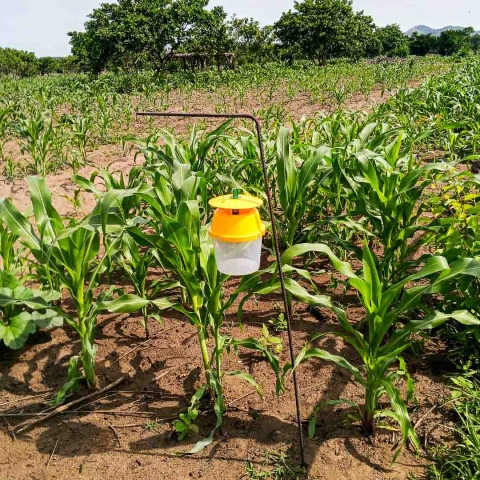
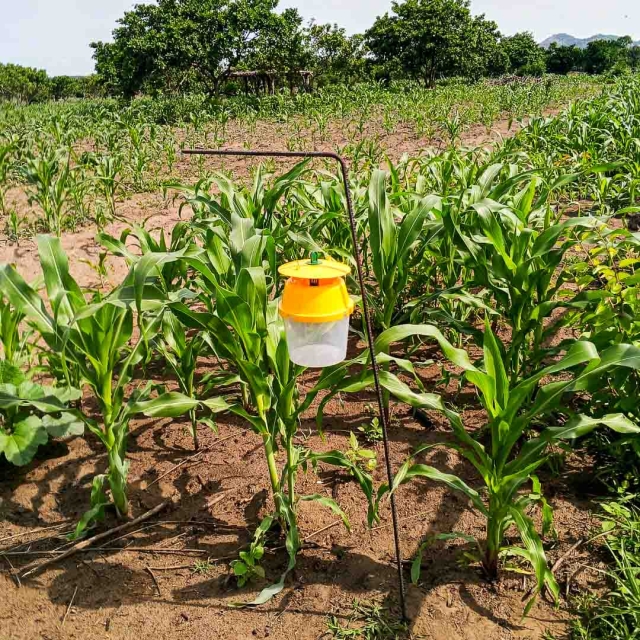
Accordingly, FSRP-Togo has acquired 500 pheromone traps to be gradually deployed in the main maize-producing areas across the country’s six agricultural regions. This equipment is a recognised tool for phytosanitary surveillance. By attracting male moths of the autumn armyworm, it enables:
Early detection of the pest’s presence;
Monitor changes in its populations; and
Initiate control measures at the time when they are most effective.
This approach prioritises early action over late interventions, which are often more costly, less effective and more damaging to crops.
180 agricultural advisers at the heart of the monitoring system
The success of a monitoring system depends above all on the men and women who run it. That is why FSRP-Togo has invested in capacity-building for 180 agricultural advisers, comprising Technical Advisers in Farm Management (CTGEA) and Specialised Technicians (TS), spread across the whole country.
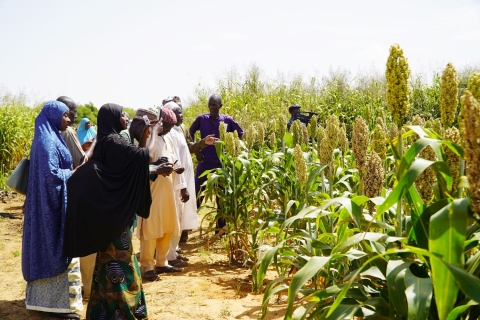
Following the training, each of the 180 agricultural advisers received a pheromone trap as part of the first phase of the system’s roll-out. They then proceeded to install the traps in the maize fields of farmers in their respective areas of operation. In addition to installing the traps, they monitor and maintain the devices, collect data on changes in autumn armyworm populations, and raise awareness amongst farmers to ensure that the most appropriate integrated pest management measures are implemented in a timely manner.
As well as providing equipment, this initiative aims to:
Reduce production losses,
Limit the routine use of plant protection products,
Promote integrated pest management that is more environmentally friendly; and
Sustainably improve the resilience of farms in the face of health threats.