The World Bank's Regional Vice-President for Africa, Ousmane Diagana, visited key agricultural sites in Ghana, including the Kpong irrigation system in Asutuare and the Kpong Left Bank irrigation system.
His visit on 13 January 2025 underlined the World Bank's commitment to supporting Ghana's agricultural transformation and promoting economic growth through sustainable agricultural practices.
The World Bank's involvement in the Ghana Agricultural Trade Project has yielded impressive results, with productivity reaching almost six tonnes per hectare, just short of the target of seven tonnes. These results demonstrate the transformative impact of the project on Ghana's agricultural sector.
During the discussions, Mr Diagana highlighted Ghana's strategic position as a regional hub, offering opportunities for collaboration with neighbouring countries such as Sierra Leone to improve agricultural productivity.
He highlighted the economic benefits of increasing local rice production to reduce dependence on imports. By focusing on local production, Ghana could channel funds into key sectors such as education and healthcare, while creating jobs across the agricultural value chain.
The World Bank has pledged to fill the financing gap of $30 million for the implementation of the Food Systems Resilience Programme (FSRP) to improve irrigation and agricultural productivity.
The World Bank reaffirmed its commitment to supporting such initiatives, stressing the importance of ambitious targets and strong partnerships. Mr Diagana called for greater collaboration with the private sector to create an environment conducive to agricultural investment, which would stimulate job creation and strengthen economic resilience.
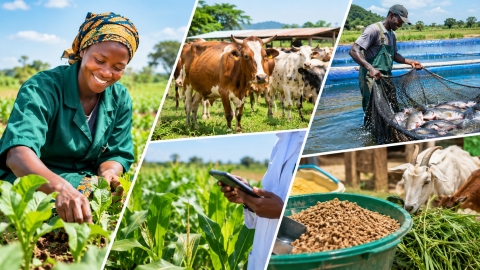
Mr Osei Owusu Agyeman, National Coordinator of the Food Systems Resilience Programme (FSRP-Ghana), highlighted the initiatives underway under the FSRP, including the construction and renovation of veterinary laboratories in Dormaa Ahenkro and Accra, as well as laboratories and seed banks at CSIR facilities in Bunso, Kumasi and Tamale, designed to strengthen links between research and industry. In addition, warehouses, border posts and markets have been rehabilitated to strengthen regional trade capacities.

The FSRP Ghana has a number of key achievements to its credit, including support for priority commodities such as maize, rice, soybeans, tomatoes and poultry; the promotion of climate-smart, youth- and gender-sensitive technologies; and the monitoring of pests and diseases to protect crops and livestock. The purchase of 20 automated weather stations for the Ghana Meteorological Agency is a key step towards providing local weather forecasts and climate information tailored to farmers. The PRSF's initiatives are based on the pillars of sustainability, ownership and public-private partnerships, all of which aim to strengthen Ghana's preparedness against food insecurity.