An important milestone has been reached in the West Africa and Sahel Food System Resilience Programme in Chad (FSRP-TD), with the official validation of its communication and knowledge management strategy. This strategic milestone was achieved following a national workshop held from 12 to 18 August in Bakara, attended by the programme's Technical Director.
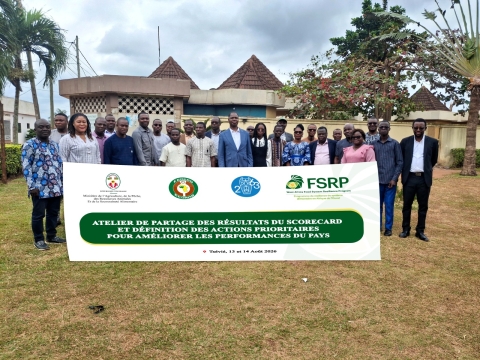
The workshop aimed to raise the profile of FSRP-TD and encourage local stakeholders to get involved in the fight against food insecurity. Over five days, some 30 participants from the programme, partner institutions and the communications sector worked together to review and enrich the draft strategy, developed by consultant Azadine Mahamat, with the facilitation of the Regional Communications Manager.
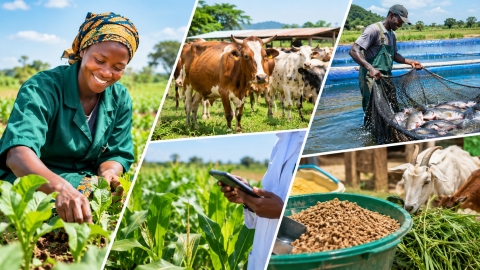
The work began with a review of the objectives and foundations of FSRP-TD, a programme funded by the World Bank and implemented in 11 provinces of Chad. This return to basics helped to anchor the discussions in the realities on the ground and refocus efforts on the final beneficiaries: farmers, herders, rural women, young people, community structures and institutional partners.
An analysis of the national media landscape highlighted the essential role of community radio stations, social networks and audiovisual tools in effectively reaching rural populations. A SWOT analysis also emphasised the importance of more targeted communication, adapted to local realities.
Gradually, the participants refined the content of the strategy. Several key recommendations were adopted, including reducing the number of strategic areas from five to three, reformulating the objectives according to the SMART approach, prioritising communication targets, and clarifying key messages in accordance with World Bank guidelines. These adjustments were adopted unanimously.
In parallel with the validation work, a capacity-building session was organised for the communicators involved in the programme. Led by Dr Koné, FSRP Regional Communication Expert at the ECOWAS level, this training enabled participants to acquire practical skills in writing success stories, producing digital content and managing communication in crisis situations.
The workshop concluded with a series of recommendations aimed at ensuring the effective implementation of the strategy. These include strengthening partnerships with community media, developing a crisis communication plan, and establishing a specific monitoring and evaluation mechanism. The strategy will also be widely disseminated to ensure that all stakeholders take ownership of it.
In closing the proceedings, the Technical Director of FSRP-TD praised the quality of the discussions and reaffirmed the programme's commitment to making this strategy a central lever of its action. This validation marks a key step in PRSA-TD's efforts to build lasting resilience to the multiple shocks that are undermining the Chadian food system.