In West Africa and the Sahel, the transfer of agricultural innovations to farms remains insufficient, thereby limiting the adoption of technologies, improved varieties and practices that are resilient to climate change. To accelerate the transfer of innovations to producers, the West Africa Food System Resilience Programme (FSRP), funded by the World Bank and coordinated by CORAF for agricultural research and development activities, has supported the creation of ten agricultural technology and innovation parks in nine countries since 2023. These demonstration platforms facilitate the dissemination of innovations, strengthen exchanges between stakeholders and foster the development of partnerships and commercial opportunities to drive agricultural transformation.
In Sierra Leone, the agricultural technology park, inaugurated in 2024, is located in Komrabai, in the Port Loko district, and serves as a platform where researchers, extension workers, farmers, young entrepreneurs and students can discover, experiment with and evaluate agricultural technologies under real-world production conditions. Improved varieties of rice, cassava and maize, sustainable soil management techniques, climate-smart agriculture and post-harvest innovations are showcased there to facilitate their large-scale adoption.
“Our aim is to take research findings out of the laboratories and put them into the hands of farmers,” explains Dr Mohamed K. Mansaray, a researcher at the Sierra Leone Agricultural Research Institute (SLARI). “When farmers see for themselves how new varieties or good farming practices perform in an environment similar to their own, they are much more likely to adopt them. The demonstration plot also allows us to gather their feedback so that we can continually improve our technologies.”
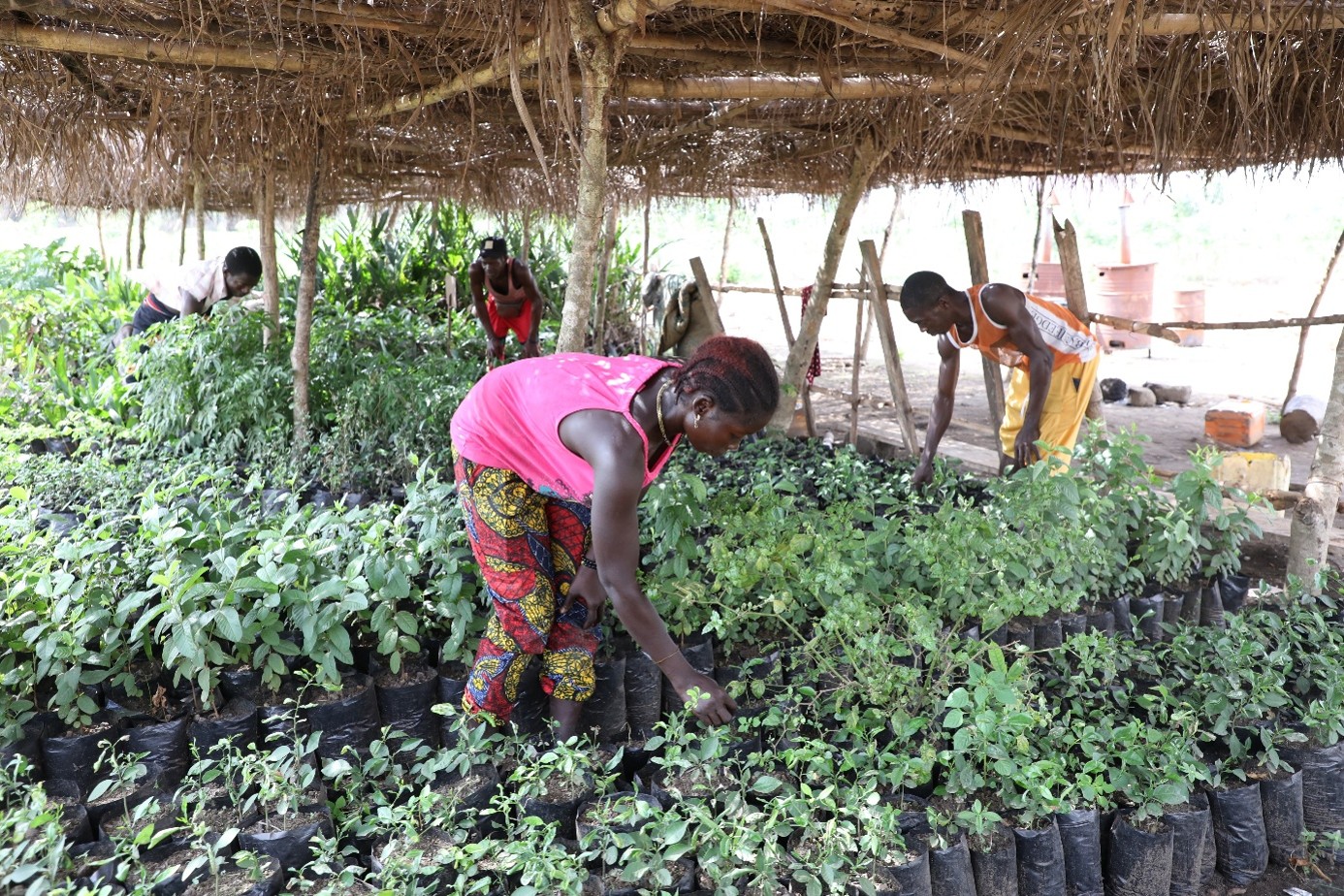 This participatory approach is transforming the way innovations are disseminated. The demonstrations organised at the park enable farmers to compare yields, assess production costs and engage directly with researchers before introducing these technologies on their own farms.
For Mariama Kamara, a cassava farmer in the Port Loko district, her visit to the park marked a turning point. “Before, I used to grow cassava the way my parents had taught me. At the park, I discovered new varieties and planting techniques that yield more with fewer losses. Today, I am convinced that innovation can really improve my family’s income. I now share this knowledge with other women in my village.”
Beyond demonstrating technologies, the Agricultural Technology and Innovation Park fosters dialogue between researchers, farmers and the private sector. It strengthens the capacity of extension services, accelerates the dissemination of innovations and contributes to the objectives of the national Feed Salone initiative, which aims to sustainably increase agricultural production and food security.
In Togo, the Davié Agricultural Technology and Innovation Park (Technoparc) of the Togolese Institute for Agricultural Research (ITRA) was established in 2023 and enables farmers, students, entrepreneurs and technical partners to explore, under real-world conditions, the technologies developed by researchers. Improved varieties of rice, maize, cassava and soya; climate-smart agriculture; mechanisation; agri-food processing, livestock, 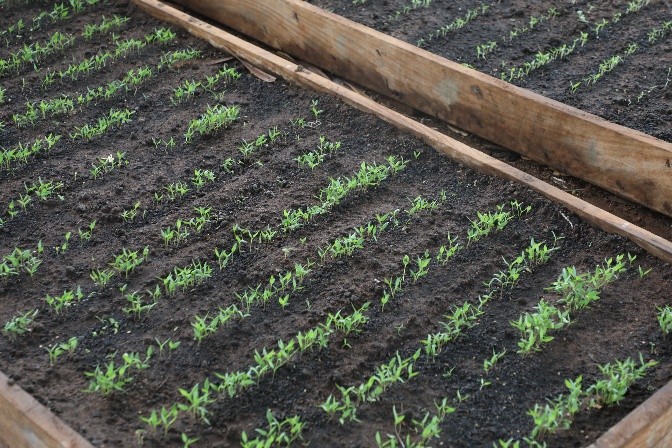 aquaculture or the recycling of agricultural waste: All these innovations are showcased through practical demonstrations and training courses tailored to users’ needs.
According to the head of the Littoral Agricultural Research Centre (CRAL), the Technoparc addresses the major challenge of transforming scientific findings into practical solutions for farmers.
“Here, farmers see the technologies in action, talk directly to the researchers and leave with the knowledge they need to adopt them on their farms. This is how research makes a real difference on the ground.”
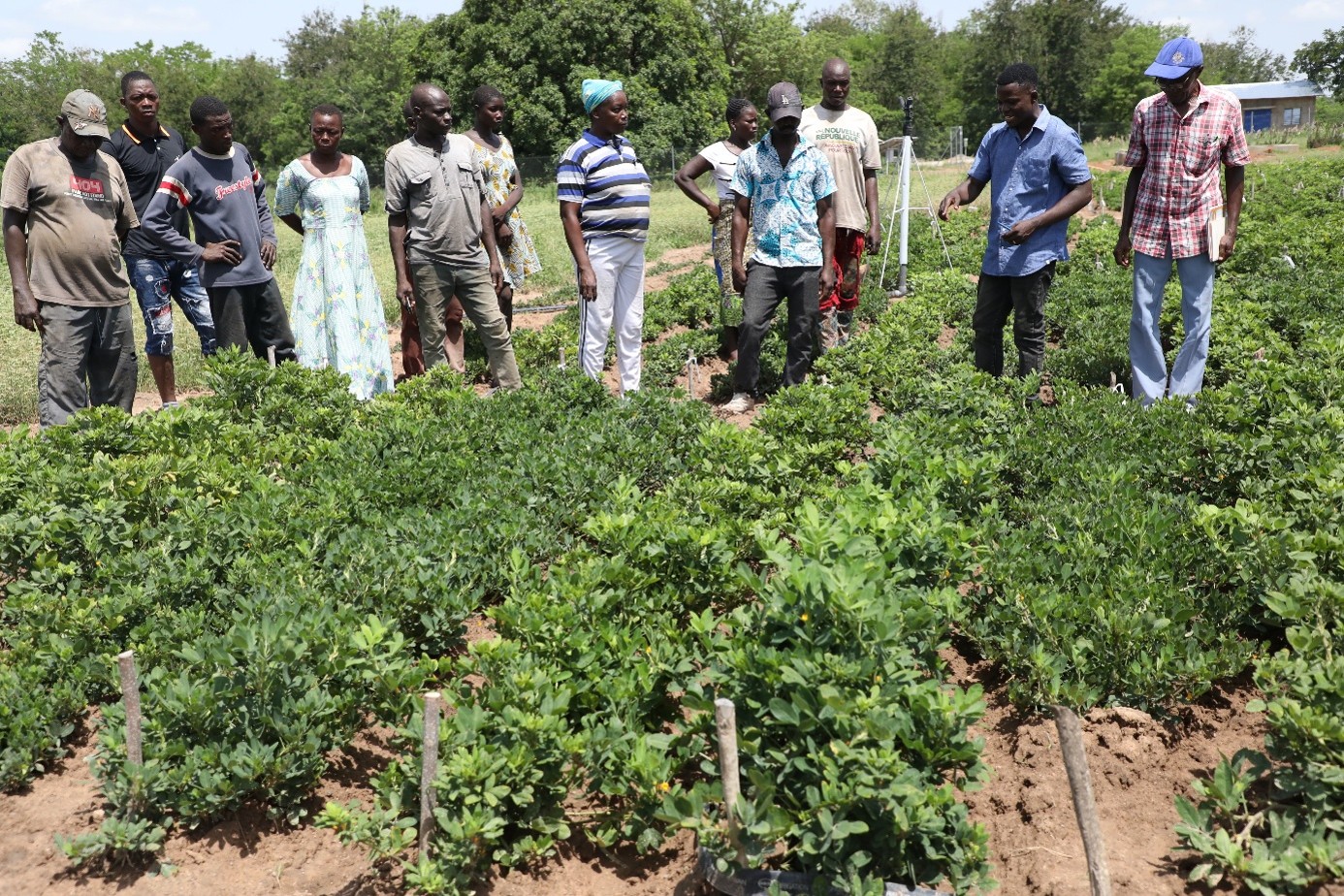 This participatory approach encourages greater ownership of innovations. Each year, the Technoparc welcomes around five hundred visitors from Togo and other West African countries, such as Benin, Côte d’Ivoire, Ghana and Nigeria. Open days, demonstrations and training courses build the capacity of farmers and facilitate the dissemination of good agricultural practices.
The success of the model has led to the establishment of satellite technoparks in Sarakawa and Dapaong, bringing innovations even closer to farmers in the northern regions of Togo.
Established in 2024 and fully operational since 2025, the Sarakawa satellite technopark, in northern Togo, has become a veritable open-air laboratory serving Togolese agriculture. Spanning an area of four hectares, it demonstrates innovative technologies for the country’s main food crop sectors, notably rice, maize, groundnuts, cassava, millet, sorghum and market garden crops.
 On the site, farmers can compare the performance of improved varieties, find out about recommended cultivation practices and liaise directly with researchers and technical teams. This close link between research and farms speeds up the transfer of innovations and encourages their adoption in the field.
For Kossi Adzato, a maize farmer who came to visit the park with his co-operative, this approach is fundamentally changing the way they learn.
“Before, we were told about new varieties without actually being able to see them. Here, we observe how they perform in the field, compare yields and receive explanations from the researchers. This gives us the confidence to adopt these technologies on our own farms.”
Since its opening, the park has established itself as a leading centre for producers, trade organisations, technicians and partners in the agricultural sector. In 2025, more than 110 visits were recorded, confirming the growing interest among stakeholders in the innovations on display there.
This momentum strengthened further in 2026. The demonstrations carried out on various crops are generating growing enthusiasm, particularly around improved groundnut seeds.
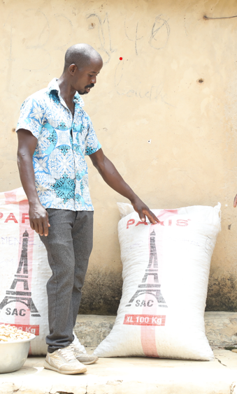
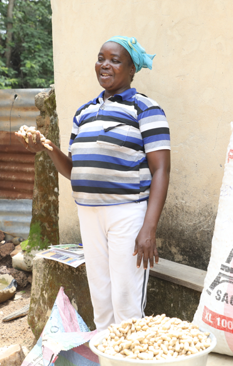 For Memouna Taama, a groundnut producer, the visit quickly led to an investment decision.
“The demonstration plots convinced me. The plants are more vigorous and the yield appears to be higher than that of our usual varieties. At the end of the visit, I bought improved seeds to try them out in the next growing season. I am convinced that they will help me improve my yields and my income.”
The increase in direct purchases of improved groundnut seeds following the visits is one of the park’s most visible outcomes. It reflects farmers’ growing confidence in the technologies developed through research and their willingness to invest in innovations capable of sustainably increasing the productivity of their farms.