MITA 2026: Facilitating access to innovations to strengthen the resilience of agro-sylvo-pastoral and fisheries systems in West and Central Africa

Published on 17 October 2026

The West and Central African Council for Agricultural Research and Development (CORAF), in collaboration with the Ministry of Agriculture and Food Security of Sierra Leone, is organizing, from October 19 to 21, 2026 in Freetown, Sierra Leone, the 6th edition of the Agricultural Innovations and Technologies Market (MITA). This year's edition takes place under the theme: Facilitating access to technologies and innovations for animal production and integrated agriculture-livestock-aquaculture systems.

Placed under the High Patronage of His Excellency Dr Julius Maada Bio, President of the Republic of Sierra Leone, and under the presidency of Dr Henry Musa Kpaka, Minister of Agriculture and Food Security, this regional meeting will bring together researchers, innovators, decision-makers, producers, private sector, investors, development partners and users of agro-pastoral and fisheries technologies.

Bringing innovations closer to their users

While many research-validated technologies still remain insufficiently disseminated or struggle to scale, MITA creates an interface between technology providers, users, buyers and investors to facilitate their transfer, acquisition and adoption.

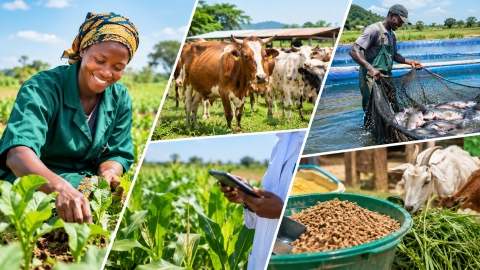
The 2026 edition will highlight proven and adoption-ready technologies in the areas of feed, aquaculture, livestock production and integrated agriculture-livestock-aquaculture systems.

“ Our ambition is to bring innovation closer to those who need it and accelerate the adoption and scale-up of agricultural technologies. MITA creates precisely this meeting space between research, producers, the private sector and other actors necessary for the transition from innovation to impact underlines Dr. Moumini Savadogo, Executive Director of CORAF.

The program will notably include an exhibition of technologies and innovations, a ministerial panel, presentations of agricultural solutions as well as B2B meetings (“Trading Rooms”) allowing suppliers to meet directly with potential buyers and explore technology acquisition opportunities.

Celebrating agricultural innovation

MITA 2026 will also host the 3rd edition of the Abdoulaye Touré Agricultural Innovation Prize, which rewards innovations with high potential for impact on agricultural and food systems. The winners will be revealed on October 21, during the closing ceremony, alongside the winner of the ICIPE Special Prize and IFDC.

Through MITA, CORAF intends to promote the transition from innovation to adoption, by strengthening links between research, the market and users and by monitoring the impact of the technologies presented beyond the event.

FSRP: agricultural technologies that make food systems more resilient

Published on 7 September 2026

Identifying agricultural solutions capable of simultaneously increasing production, strengthening farmers’ resilience and limiting the environmental impact of agriculture has become a strategic priority for the region. In light of this, CORAF has, as part of the West African Food System Resilience Programme (PRSA/FSRP), scrutinised the most effective agricultural technologies in West and Central Africa.

Climate change is severely undermining agriculture in West and Central Africa, with droughts, erratic rainfall and land degradation threatening the food security of millions of farmers. It is against this backdrop that CORAF, as part of the synergy between the West African Food Systems Resilience Programme (PRSA/FSRP) and the World Bank-funded AICCRA project, has conducted an assessment of the agricultural technologies promoted in the FSRP participating countries. The results are compiled in a series of country briefs entitled “CSA Country Briefs”, covering Niger, Ghana, Senegal, Burkina Faso, Togo, Mali, Sierra Leone and Chad.

The aim of this approach is to draw on robust scientific evidence to provide decision-makers, agricultural advisory and extension services, farmers’ organisations, investors and technical partners with high-performance agricultural technologies to transform food systems in the face of climate change.

Climate-resilient varieties remain the first line of defence

One of the key lessons from this collaborative exercise with the countries is that climate-resilient varieties remain at the forefront of the transformation of agricultural production systems in the sub-region. Nagodé maize and Kogoni rice in Niger, CSIR-AGRA rice or Jasmine 85 in Ghana, etc., these short-cycle, drought-tolerant seeds yield higher harvests, despite the climate.

“CORAF, through these national agricultural research systems and specialist centres, continues to invest heavily in crop breeding as the first line of defence against climate change. The findings of the ‘Country Briefs’ clearly show that investing in crop breeding remains one of the fastest and most effective ways to strengthen agricultural resilience in the region,” explains Dr Moumini SAVADOGO, Executive Director of CORAF.

Each country is charting its own path to resilience with technical support from CORAF

These country studies also reveal that there is no ‘miracle’ technology that applies across the whole of West and Central Africa. Technological solutions depend on the agro-ecological, economic and social realities of each country.

In Senegal, the most promising innovations include improved varieties of rice, millet, groundnuts and fonio, combined with sustainable soil management techniques such as rapid composting, deep urea application or small-scale agricultural improvements for better water management at plot level, such as...... In Burkina Faso, technologies for restoring degraded land – such as the ‘zaï’ method, half-moon plots, assisted natural regeneration (ANR) and stone ridges – are among the most effective solutions for tackling declining soil fertility and erratic rainfall. In Sierra Leone, the most promising innovations combine light mechanisation, efficient irrigation and market gardening technologies adapted to new climatic conditions.

Climate-smart agriculture is not based on a standardised model but on solutions tailored to local realities

“These ‘Country Briefs’ show us that West and Central Africa are not short of solutions. The region already has a portfolio of scientifically validated agricultural technologies. Our responsibility now is to scale these up so that they can benefit millions of farmers,” explains Dr Niéyidouba LAMIEN, Programme Manager at CORAF and Coordinator of Component 2 of the FSRP programme.

Technologies must be promoted as integrated packages

One of the key findings of these country analyses is that no single technology, taken in isolation, can address the challenges of climate change on its own. The best results are observed when several complementary innovations are combined in the form of technology packages. The Country Briefs therefore propose country-specific technology packages not only to accelerate the uptake of these technologies but, above all, to strengthen the resilience of these countries’ agricultural systems.

In Ghana, for example, experts recommend combinations that pair CSIR-AGRA or Jasmine 85 rice varieties with biochar, minimum tillage and appropriate mechanisation. In Niger, the most effective packages combine improved varieties, animal traction, post-harvest equipment and the utilisation of agricultural residues.

In Chad, irrigation infrastructure, integrated crop-livestock farming systems, Climate-Smart Villages, agroforestry and Assisted Natural Regeneration are emerging as the most promising technologies for strengthening the resilience of local areas.

“No single technology is sufficient on its own. It is the combination of improved varieties, sustainable soil management, appropriate mechanisation and climate services that builds resilience. The FSRP invests specifically in these climate-smart packages, tailored as closely as possible to the realities of each country,” continues Dr Niéyidouba LAMIEN.

Resilience is now built through a combination of several technologies. Improved varieties remain essential, but they are now reinforced by complementary approaches: the real-time use of climate information, land restoration techniques, agroforestry, integrated crop-livestock systems, the use of biofertilisers and biopesticides, smart water management techniques, and the use of digital tools. This development is fuelling a new strategy for guiding agricultural investment based on triple-centric scientific evidence, focusing not only on yields but, above all, on strategies for adapting to climate change and the sustainability of food systems.

The essential scale-up

Beyond identifying and prioritising the most effective technologies, these country studies all reach the same conclusion and call for action: scaling up these technology packages to enable mass adoption. Indeed, the real challenge now lies in the widespread dissemination of these technologies to farmers through more effective agricultural advisory systems, improved access to credit, tailored incentive mechanisms, accessible climate services and stronger links between research, extension services and farmers’ organisations.

By making these Country Briefs openly available to all, CORAF aims to equip decision-makers, investors, agricultural advisory staff and farmers so that these innovations can benefit millions of farmers in West and Central Africa.

Find out more here:

From the laboratory to the fields: the Abdoulaye Touré Agricultural Innovation Prize harnesses innovation as a driver for African agriculture

Published on 7 September 2026

Every year, researchers, entrepreneurs, producer organisations and young innovators develop solutions capable of improving productivity, strengthening climate resilience and creating economic opportunities in rural areas. However, many of these innovations struggle to make the leap from the laboratory, workshop or prototype stage to actual adoption by producers and markets.

It is precisely to address this challenge that the Abdoulaye Touré Agricultural Innovation Prize (PIA-AT) was established by CORAF, with support from the West Africa Food Systems Resilience Programme (FSRP) funded by the World Bank.

Far more than just an award, this prize now serves as a genuine mechanism for accelerating agricultural innovation, enabling solution providers to test, improve, disseminate and scale up their technologies for the benefit of farmers, agri-entrepreneurs and consumers. “For technologies developed in laboratories and start-ups to reach producers on the ground, we need to strengthen the links between research, extension services, public policy and the private sector,” says Dr Kalifa TRAORÉ, Chair of CORAF’s Board of Directors.

From research to adoption: the unique added value of the PIA-Abdoulaye Touré

One of the award’s key strengths lies in its ability to bridge the gap that often separates innovation from its large-scale implementation. Thanks to support from the FSRP and the World Bank, CORAF offers winners not only recognition, but also the means to improve their innovations, demonstrate their effectiveness in the field and promote their adoption. “CORAF recommends that the 23 countries of West and Central Africa that make up the organisation integrate technology transfer and agricultural innovation into their policies. This will involve making the transfer of innovations a priority in national and regional agricultural policies. Funding mechanisms need to be accelerated in order to create and operationalise regional funds dedicated to agricultural innovation,” explains Dr Kalifa TRAORÉ.

The results observed among the winners of the second edition clearly illustrate this dynamic.

Accelerating mechanisation tailored to smallholder farmers

In Togo, Mr M’bantana Guéma, first-prize winner in Category 1, used his grant to refine mechanised solutions for the cultivation and harvesting of ‘egusi’ (seed squash).

Thanks to the funding received, he was able to:

•    Train 47 rural stakeholders, including representatives of agricultural cooperatives and women’s organisations;

•    Improve the skills of six young people from rural areas in the use of mechanised equipment;

•    Set up a two-hectare pilot plot to test its prototype harvester-shredder;

•    Provide mechanised services to a cooperative comprising 172 producers, including 27 women.

Most importantly, the prize enabled her to begin manufacturing prototypes of a harvester-shredder and a new husker.

Manufacture of a husking and grinding machine

Strengthening biological innovations for resilient agriculture

The second winner in Category 1, Ms Mariamma Faye, used her funding to improve the production process for Silicoderma, a biostimulant and biocide based on beneficial micro-organisms.

The support received from CORAF enabled her to:

•    optimise the growth of the Trichoderma fungus;

•    improve the biological processes that promote the production of the desired molecules;

•    enhance recovery and purification techniques;

•    acquire equipment suitable for larger-scale production.

These improvements have made the technology more robust, more reliable and more easily transferable to a commercialisation phase.

Digital technology serving producers and consumers

Agricultural innovation is not limited to production technologies. It also concerns the organisation of markets and the connection between producers and consumers.

It was with this in mind that Ms Hélène Ndiaye, from the RESAPAC network and winner of Category 3, used her funding to gain a better understanding of her customers’ expectations through an in-depth market survey.

The results highlighted strong consumer confidence in the agroecological products sold by RESAPAC. They also revealed the need to develop a more modern business model, combining:

•            Physical markets;

•    Pre-order systems;

•    Delivery services;

•    Simplified digital tools for purchasing.

This approach paves the way for better integration of digital technology into agricultural value chains and enables producers to capture greater added value whilst meeting new consumer expectations.

A strategic FSRP instrument implemented by CORAF

Through the Abdoulaye Touré Agricultural Innovation Award, CORAF demonstrates that investing in innovation does not simply mean funding research. It also involves creating the necessary conditions for innovations to reach farms, businesses and markets.

The prize thus helps to:

•    Accelerate the adoption of agricultural technologies;

•    Shorten the time between invention and market launch;

•    Strengthen agricultural entrepreneurship;

•    Create jobs for young people and women;

•    Promote the modernisation of food systems;

•    Encourage the exchange of experiences between countries in the region.

Investing in innovation to build the food systems of tomorrow

The 106 applications received for this third edition offer hope for the future of agriculture in West and Central Africa. Behind each one lie solutions capable of improving productivity, strengthening climate resilience, reducing post-harvest losses and creating new economic opportunities.

Agricultural technology parks: showcases for agricultural innovation and bridges between research and producers in Sierra Leone and Togo

Published on 14 August 2026

In West Africa and the Sahel, the transfer of agricultural innovations to farms remains insufficient, thereby limiting the adoption of technologies, improved varieties and practices that are resilient to climate change. To accelerate the transfer of innovations to producers, the West Africa Food System Resilience Programme (FSRP), funded by the World Bank and coordinated by CORAF for agricultural research and development activities, has supported the creation of ten agricultural technology and innovation parks in nine countries since 2023. These demonstration platforms facilitate the dissemination of innovations, strengthen exchanges between stakeholders and foster the development of partnerships and commercial opportunities to drive agricultural transformation.

In Sierra Leone, the agricultural technology park, inaugurated in 2024, is located in Komrabai, in the Port Loko district, and serves as a platform where researchers, extension workers, farmers, young entrepreneurs and students can discover, experiment with and evaluate agricultural technologies under real-world production conditions. Improved varieties of rice, cassava and maize, sustainable soil management techniques, climate-smart agriculture and post-harvest innovations are showcased there to facilitate their large-scale adoption.

“Our aim is to take research findings out of the laboratories and put them into the hands of farmers,” explains Dr Mohamed K. Mansaray, a researcher at the Sierra Leone Agricultural Research Institute (SLARI). “When farmers see for themselves how new varieties or good farming practices perform in an environment similar to their own, they are much more likely to adopt them. The demonstration plot also allows us to gather their feedback so that we can continually improve our technologies.”
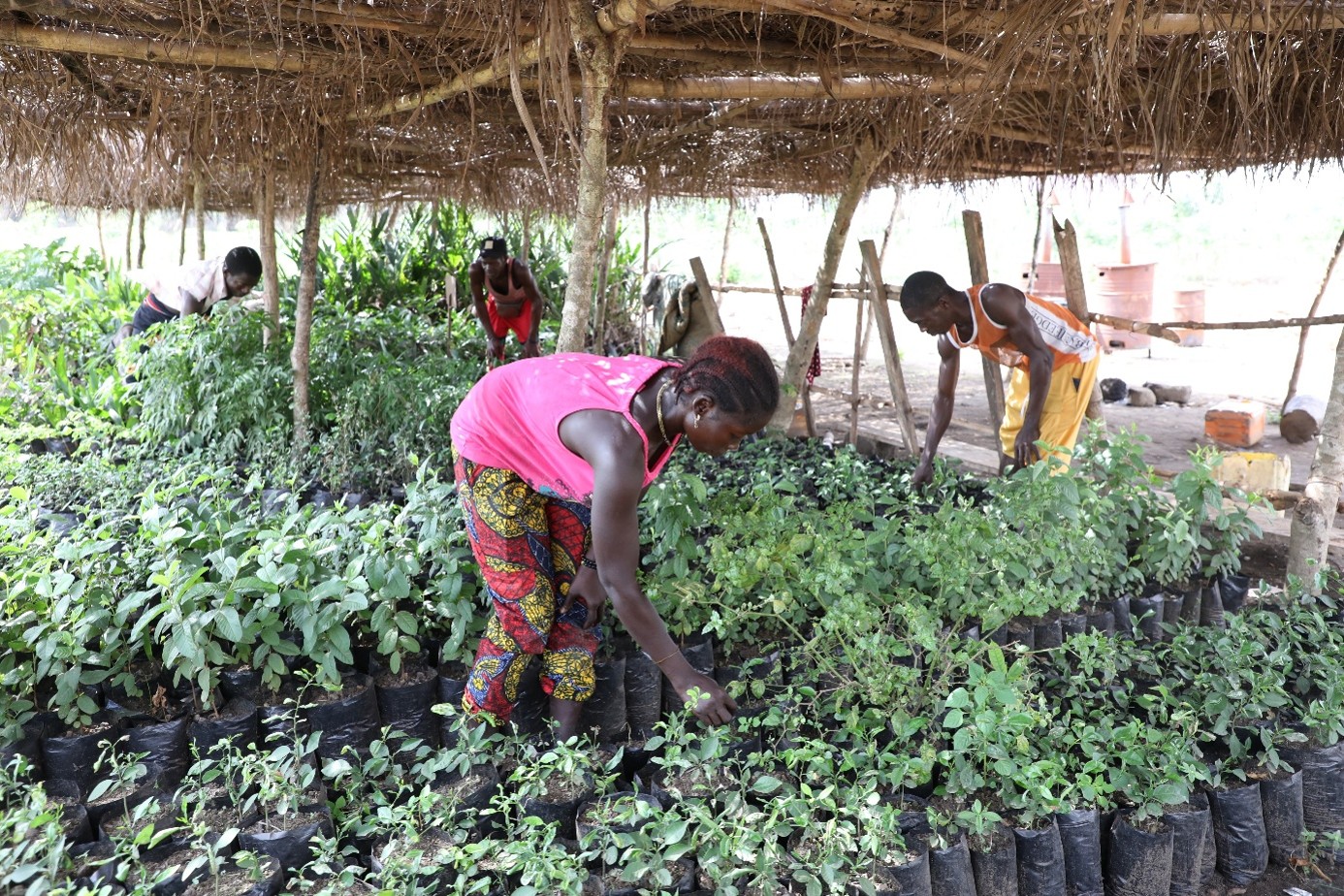
This participatory approach is transforming the way innovations are disseminated. The demonstrations organised at the park enable farmers to compare yields, assess production costs and engage directly with researchers before introducing these technologies on their own farms.

For Mariama Kamara, a cassava farmer in the Port Loko district, her visit to the park marked a turning point. “Before, I used to grow cassava the way my parents had taught me. At the park, I discovered new varieties and planting techniques that yield more with fewer losses. Today, I am convinced that innovation can really improve my family’s income. I now share this knowledge with other women in my village.”

Beyond demonstrating technologies, the Agricultural Technology and Innovation Park fosters dialogue between researchers, farmers and the private sector. It strengthens the capacity of extension services, accelerates the dissemination of innovations and contributes to the objectives of the national Feed Salone initiative, which aims to sustainably increase agricultural production and food security.

In Togo, the Davié Agricultural Technology and Innovation Park (Technoparc) of the Togolese Institute for Agricultural Research (ITRA) was established in 2023 and enables farmers, students, entrepreneurs and technical partners to explore, under real-world conditions, the technologies developed by researchers. Improved varieties of rice, maize, cassava and soya; climate-smart agriculture; mechanisation; agri-food processing, livestock, aquaculture or the recycling of agricultural waste: All these innovations are showcased through practical demonstrations and training courses tailored to users’ needs.
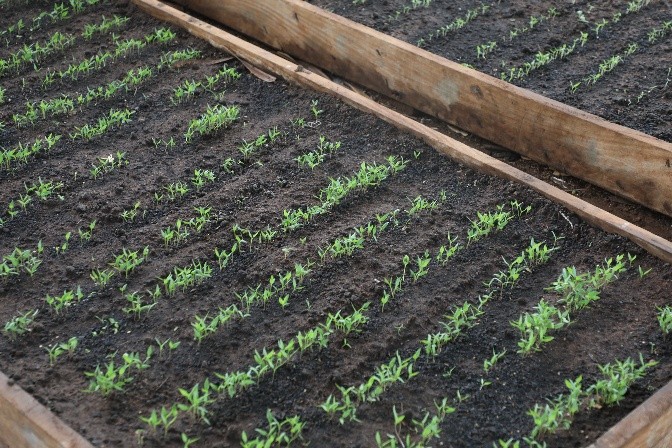
According to the head of the Littoral Agricultural Research Centre (CRAL), the Technoparc addresses the major challenge of transforming scientific findings into practical solutions for farmers.

“Here, farmers see the technologies in action, talk directly to the researchers and leave with the knowledge they need to adopt them on their farms. This is how research makes a real difference on the ground.”
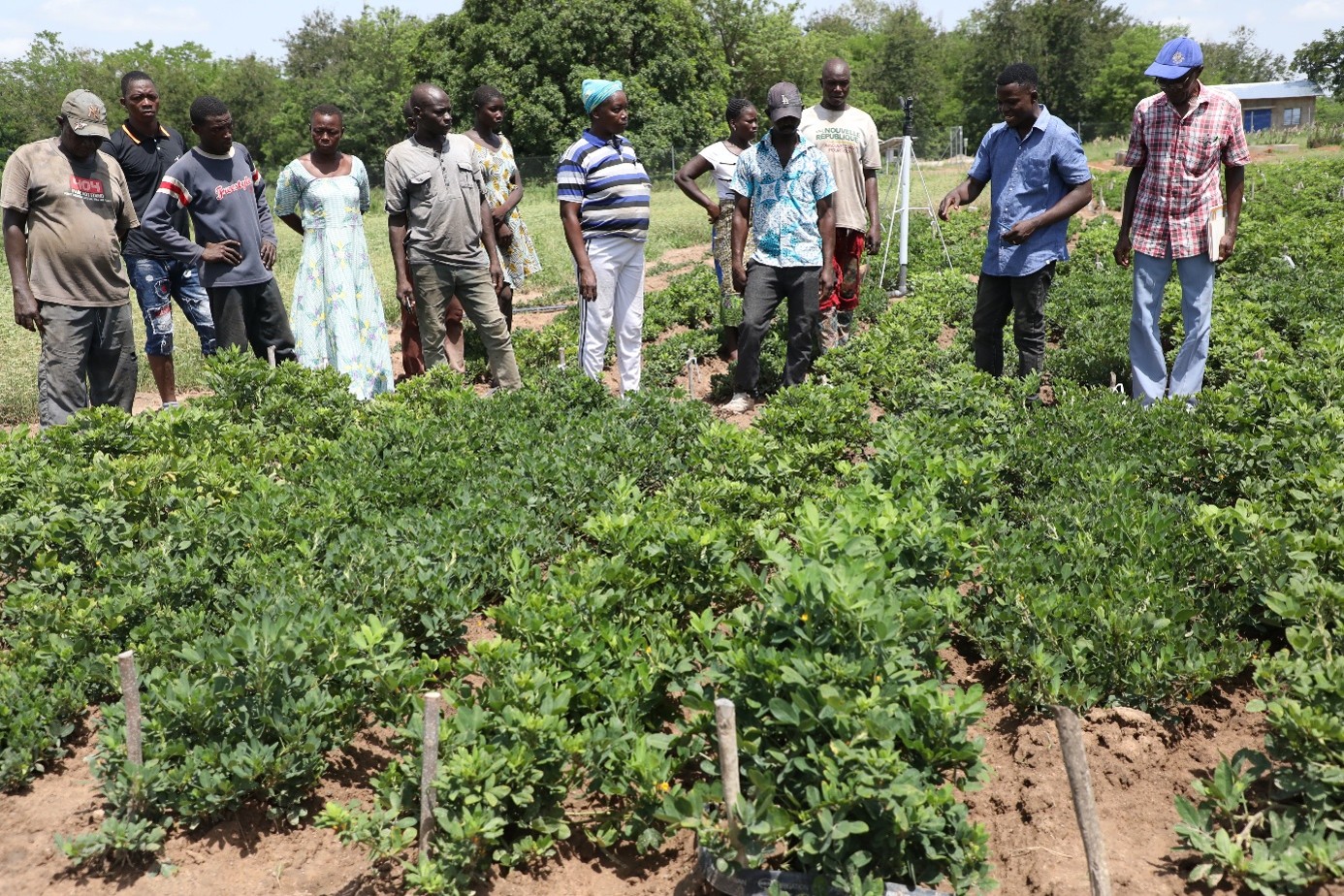
This participatory approach encourages greater ownership of innovations. Each year, the Technoparc welcomes around five hundred visitors from Togo and other West African countries, such as Benin, Côte d’Ivoire, Ghana and Nigeria. Open days, demonstrations and training courses build the capacity of farmers and facilitate the dissemination of good agricultural practices.

The success of the model has led to the establishment of satellite technoparks in Sarakawa and Dapaong, bringing innovations even closer to farmers in the northern regions of Togo.

Established in 2024 and fully operational since 2025, the Sarakawa satellite technopark, in northern Togo, has become a veritable open-air laboratory serving Togolese agriculture. Spanning an area of four hectares, it demonstrates innovative technologies for the country’s main food crop sectors, notably rice, maize, groundnuts, cassava, millet, sorghum and market garden crops.
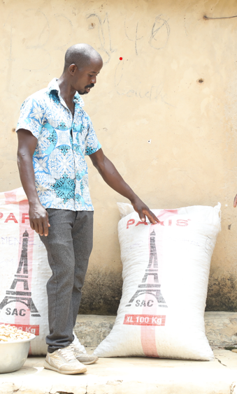
On the site, farmers can compare the performance of improved varieties, find out about recommended cultivation practices and liaise directly with researchers and technical teams. This close link between research and farms speeds up the transfer of innovations and encourages their adoption in the field.

For Kossi Adzato, a maize farmer who came to visit the park with his co-operative, this approach is fundamentally changing the way they learn.

“Before, we were told about new varieties without actually being able to see them. Here, we observe how they perform in the field, compare yields and receive explanations from the researchers. This gives us the confidence to adopt these technologies on our own farms.”

Since its opening, the park has established itself as a leading centre for producers, trade organisations, technicians and partners in the agricultural sector. In 2025, more than 110 visits were recorded, confirming the growing interest among stakeholders in the innovations on display there.

This momentum strengthened further in 2026. The demonstrations carried out on various crops are generating growing enthusiasm, particularly around improved groundnut seeds.
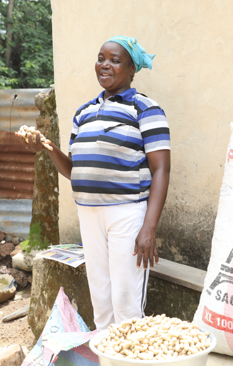
For Memouna Taama, a groundnut producer, the visit quickly led to an investment decision.

“The demonstration plots convinced me. The plants are more vigorous and the yield appears to be higher than that of our usual varieties. At the end of the visit, I bought improved seeds to try them out in the next growing season. I am convinced that they will help me improve my yields and my income.”

The increase in direct purchases of improved groundnut seeds following the visits is one of the park’s most visible outcomes. It reflects farmers’ growing confidence in the technologies developed through research and their willingness to invest in innovations capable of sustainably increasing the productivity of their farms.

CORAF: How agricultural technology and innovation parks bring solutions closer to producers

Published on 19 June 2026

Faced with the challenge of feeding a rapidly growing population, CORAF has deployed a network of ten agricultural technology and innovation parks in eight countries. From Senegal to Chad, via Sierra Leone, Mali, Burkina Faso, Niger, Ghana, and Togo, ten agricultural technology and innovation parks are transforming the way proven innovations reach farmers. A concrete response to one of the region’s most cruel paradoxes: having access to high-performance agricultural technologies but failing to disseminate them widely.

According to a technical note published in December 2025 by CORAF, these parks demonstrated 557 technologies and innovations in 2024. From drought-tolerant maize varieties to improved livestock farming techniques and post-harvest processing equipment, the spectrum covers the entire agricultural value chain.

Living showcases of innovation

"Agricultural technology and innovation parks are living storefronts where producers, businesses and decision-makers can see, touch and understand technologies before adopting them. Unlike traditional approaches to extension, we create a meeting place between those who develop innovations and those who can disseminate them on a large scale.” explains Dr. Niéyidouba Lamien, program manager at CORAF and coordinator of component 2 of the Food System Resilience Program in West Africa (FSRP), which provides a significant share of park funding in FSRP countries.

The initiative responds to an alarming observation. In West Africa, agriculture employs nearly 70% of the workforce, but yields remain among the lowest in the world. Soil degradation, climate change, and a lack of improved seeds are holding back productivity. Meanwhile, research centers are accumulating proven technologies that never pass through the doors of laboratories.
 

SOME KEY FIGURES

10 technology parks in 8 countries (Benin, Burkina Faso, Chad, Ghana, Mali, Niger, Senegal, Sierra Leone, Togo)

557 technologies demonstrated in 2024

6,527 visitors, 40% of whom are women

52 partnership agreements signed with the private sector

The private sector and young people at the heart of the system

One of the most significant results of the year 2024 lies in the massive engagement of the private sector. Of the 81 organizations that expressed interest, 52 have formalized partnerships with national research institutes. Among them, 70% are private actors: seed companies, producer associations, food processors and specialized media.

"For the first time, we see seed companies come directly to our centers to sign multiplication agreements," says an official of the Agricultural Research Center of Burkina Faso, where 22 partnerships have been concluded.  Demand for basic seed has already increased. This is a sign that the mechanism works.”

This dynamic is all the more remarkable given that it takes place in a difficult regional context. In Mali, Burkina Faso and Niger, security instability complicates agricultural activities. Yet agricultural technology and innovation parks continue to operate, providing rural populations with access to innovations that can improve their resilience.

Beyond the diffusion of technology, parks play an increasing role in youth training. In 2024, 25 young agricultural entrepreneurs from six countries received specific support under the "Youth in agribusiness" program. A response to the demographic challenge: West and Central Africa has the youngest populations on the continent, and agriculture remains the leading source of potential jobs.

"These parks have become natural incubators for the next generation of agripreneurs. Young people find concrete opportunities and acquire skills that they can use in their own businesses.” , says Dr. Caroline Makamto Sobgui, scaling specialist at CORAF and first author of the technical note.

A model to be consolidated

The device is not free from challenges. The technical note identifies six prerequisites for the success of parks:

  • a multidisciplinary team,
  • a rigorous selection of technologies,
  • a solid institutional anchoring,
  • continuous monitoring and evaluation,
  • strategic communication and
  • an environment conducive to partnerships.

So many requirements that require significant human and financial investments. The question of sustainability also arises. The parks are currently funded by several international programs—the World Bank’s West Africa Food System Resilience Program (FSRP), and the Swiss Cooperation’s TARSPro project. Their continuation beyond these funds will depend on the capacity of national institutions to develop autonomous economic models, notably through the sale of services and seeds.

Despite these uncertainties, the initial results are encouraging. By demonstrating that agricultural research can build productive partnerships with the private sector, agricultural technology and innovation parks offer a promising avenue for bridging the historic gap between laboratories and fields. This transformation is all the more urgent because the West and Central African region will have to double its food production by 2050 in order to feed its population.

MITA 2025 : More than 300 participants took part in the 5th edition of the Agricultural Innovations and Technologies Market, dedicated to integrated soil management

Published on 5 November 2025

Under the theme "Facilitating access to agricultural technologies and innovations for integrated soil management", the 5th edition of the Agricultural Innovations and Technologies Market (MITA) officially opened in Bamako, Mali, on Monday 20 October 2025.

This edition of MITA 2025 highlighted the challenges and solutions for restoring soil fertility and strengthening the resilience of agricultural systems in the face of climate change. MITA 2025 mobilised strong political commitment to support research and accelerate the scaling up of agricultural technologies and improve the climate adaptation capacities of FSRP beneficiary countries and beyond.

Organised by CORAF, with support from the World Bank through the Food System Resilience Programme (PRSA/FSRP) and the AICCRA programme, MITA 2025 brought together more than 300 technology providers and initiative leaders, agricultural entrepreneurs, producer organisations, women entrepreneurs and public decision-makers.

Over five days, participants discussed innovative solutions for integrated soil management, fertility conservation and the dissemination of climate-smart agricultural technologies.

Thursday 23 October 2025 was dedicated to Mali and featured a visit by MITA participants to the technology park of the Institute of Rural Economics (IER) in Sotuba. Participants had the opportunity to discover Malian agricultural innovations by visiting several stands and demonstration plots. This immersion continued in the animal park, where visitors were able to appreciate high-quality livestock specimens such as Boer goats and Wasase chickens. The visit also highlighted advances in Mali's national research on food security and nutrition, with presentations on fortified millet, optimised livestock feed and a variety of processed products, illustrating the diversity and potential of local solutions developed to support the agro-sylvo-pastoral sector.

The first Abdoulaye Touré Innovation Award at the 5th edition of the Agricultural Innovation and Technology Market, in the category "agricultural innovation for adequate and sustainable financing and trade", went to Burkina Faso. The lucky winner was Dr Abel TANKOANO from the Institute for Research in Applied Sciences and Technologies, for his work on the use of cashew apples in human food.

Hybrid rice in SRI to boost rice production in Senegal, Burkina Faso and Mali with support from CORAF through the FSRP

Published on 4 August 2025

With climate change and declining yields undermining rice production in several regions of West Africa, CORAF is banking on a bold solution: the dissemination of hybrid irrigated rice varieties combined with the practice of the System of Rice Intensification (SRI). Commissioned by CORAF, the consortium formed by IER (Mali), INERA (Burkina Faso) and ISRA (Senegal) is implementing this regional initiative with support from the World Bank, as part of the Food Systems Resilience Programme (FSRP). It aims to address the dual challenge of food insecurity and declining agricultural yields in the countries where the project is being implemented.

Local solutions to intensify rice production

The project is being implemented in three key areas: the Niono area in Mali, the Senegal River Delta area in Senegal and the Farako-Bâ area in Burkina Faso. It combines demonstrations in farming communities, the production of hybrid rice seeds and technical training, with the aim of transforming rice production in West Africa.

"Intensive rice cultivation systems (SRI), combined with hybrid irrigated rice varieties, appear to be a solution for strengthening the resilience of agricultural systems in Senegal, Mali and Burkina Faso. We want to boost yields and are currently distributing two hybrid rice varieties – ISRI 9 and Mayun 1 – combining spaced transplanting, compost and controlled irrigation," explains Dr Omar NDAO FAYE, Director of the Agricultural Research Centre in Saint-Louis, Senegal.

Conducting demonstrations in farming communities

In Senegal, teams from CORAF, ISRA, researchers and producers met from 14 to 17 July 2025 in Fanaye and Savoigne in northern Senegal to follow up on this innovative approach. The initial results on the demonstration plots are encouraging: significantly higher tillering compared to usual practices, improved plant vigour, reduced use of seeds and chemical inputs, and increased resistance to water stress.

"Tillering was greater in plots under SRI combined with hybrid varieties. This technique has led to savings on seed and fertiliser purchases. In Savoigne, soil salinity is a limiting factor that must be taken into account when implementing SRI practices. Salt-tolerant and/or lodging-resistant varieties will therefore be added to the SRI technology package," explains Dr Omar NDAO FAYE.

"We are counting on ISRA and related services to build capacity so that farmers can master and effectively implement this agricultural practice," insists Mamadou Niang, a rice farmer in Savoigne.

Seed production and large-scale adoption

Beyond the agronomic results, this project is part of a systemic transformation process. Seed production is another important pillar of this initiative. Local seed companies are involved in this initiative to multiply hybrid seed varieties in accordance with harmonised regional seed regulations. The ultimate goal is to guarantee access to high-quality seeds adapted to local agroclimatic conditions.

"This initiative to disseminate hybrid rice varieties irrigated using the System of Rice Intensification (SRI) in Senegal, Burkina Faso and Mali is a lever for adaptation to climate change, but also a source of hope for young people in rural areas," says Dr Fatou DIENG GUEYE, Monitoring and Evaluation Specialist at CORAF.

The intensive rice cultivation system is based on simple but effective practices: using fewer seeds, spacing plants further apart, enriching the soil with compost, resulting in more vigorous plants, more tillers and higher yields with fewer resources. The combined use of SRI practices and hybrid rice varieties should improve yields to between 8 and 10 tonnes per hectare, compared to yields of 4 to 6 tonnes per hectare using conventional methods. This initiative is part of a broader effort by CORAF, through the FSRP, to make high-performance varieties available to producers and increase agricultural yields in Burkina Faso, Mali and Senegal. It is essential to strengthen the capacities of local producers and seed companies and to structure the hybrid rice seed sector in West Africa in a sustainable manner for the large-scale dissemination and adoption of these innovations.

CORAF equips agricultural extension workers to provide more inclusive and gender-sensitive services to rural women

Published on 3 June 2025

From 20 to 22 May, the West and Central African Council for Agricultural Research and Development and the Food and Agriculture Organisation of the United Nations co-organised a regional training workshop in Accra, Ghana, as part of the Food System Resilience Programme (FSRP). The event brought together key players in agricultural extension from eight West African countries to discuss a central but often underestimated issue: integrating gender into rural advisory services. This is an essential lever for building more inclusive, equitable and resilient food systems in the face of climatic and socio-economic challenges. The FSRP is a flagship regional investment programme that aims to strengthen the resilience of the West African food system through a strategic regional approach. CORAF is leading Component 2 on the sustainability and adaptability of the productive base of the food system, with a focus on agro-ecological practices and sustainable land and watershed management. Gender-focused interventions are integrated into this framework to help bridge persistent gender gaps that hamper food security and rural development. Since 2023, FAO has been working with CORAF to provide technical support, including methodologies, tools and capacity building training on gender mainstreaming. This current training on gender-sensitive rural advisory services is the latest in a series of collaborations between CORAF and the FAO under the FSRP.

Women make up around 50 per cent of farmers in West and Central Africa and 60 per cent of those working in the non-agricultural sectors of agri-food systems, but few women farmers than men are reached by rural advisory services designed to support farmers. Most agricultural extension systems continue to cater primarily for men due to a number of systemic issues. Extension service providers do not consider women as clients of rural advisory services, and farmers in their own right, seeing them instead as farm helpers. The services they offer do not take into account the challenges that rural women often face, including the burden of unpaid care and domestic work, limited mobility, low levels of literacy and restrictive social norms.

The training, delivered by Bethel Terefe Gebremedhin, Senior Gender Expert at the FAO Regional Office for Africa in Ghana, focused on identifying structural barriers to women's access to agricultural advisory services and exploring strategies to overcome them. Using tools such as seasonal calendars and daily activity profiles, participants from Benin, Mali, Niger, Togo, Ghana, Chad, Nigeria and Senegal analysed the situation in their countries. A common trend emerged: extension services often target men as household heads and landowners, excluding women from training despite the fact that a significant number of agricultural production activities are carried out by women. The exercises also showed that women worked longer hours on unpaid productive care activities with limited time for rest and leisure than men. The exercise showed participants the lack of time available to women, the importance of tackling the burden of unpaid care work by introducing time- and labour-saving technologies and the need to encourage the redistribution of care work within the household. Above all, it has shown the need to organise extension advisory services that consider the responsibilities of women's unpaid care work.

The workshop focused on the design of gender-sensitive advisory services throughout the agricultural value chain, from inputs to production, processing and marketing. Participants compared traditional value chain analysis with gender-sensitive approaches that take into account women's access to credit, market information, training and decision-making power.

Participants developed action plans to strengthen gender mainstreaming in agricultural extension services in their respective countries and created indicators to monitor progress. 

CORAF trains actors involved in implementing the FSRP in assessing the climate intelligence of agricultural technologies and innovations

Published on 3 June 2025

Faced with the climate emergency that is disrupting agricultural systems in West Africa and the Sahel, boosting the resilience of agricultural sectors is no longer an option, but a strategic necessity. Prolonged drought, flooding, seasonal irregularities, soil degradation, food insecurity... these are just some of the challenges that call for concrete responses, based on proven technologies that are adapted to the realities of producers.

CORAF, in collaboration with the International Bioversity Alliance and the International Centre for Tropical Agriculture (CIAT), organised a regional training workshop on the assessment and prioritisation of climate-smart agricultural technologies from 12 to 16 May 2025 in Lomé, Togo. This initiative was part of the Food Systems Resilience Programme and the AICCRA project, with the support of the World Bank.

For five days, experts from the FSRP/PRSA national implementation units and national research institutes in the eight beneficiary countries (Burkina Faso, Chad, Ghana, Mali, Niger, Senegal and Sierra Leone) enhanced their skills in using a robust methodology (multi-criteria analyses) to assess the climate intelligence of existing agricultural T&I before rolling them out to farmers.

Specifically, the work enabled participants to find out whether the technologies currently being deployed in the project's areas of intervention meet the three pillars of climate-smart agriculture, namely productivity, adaptation and carbon mitigation.

The ambition of CORAF and its partners through this regional workshop was to facilitate the appropriate use of technologies and innovations for scaling up climate-smart agriculture (CSA).

The training of experts from national PRSP implementation units and researchers from national research institutes on T&I assessment has further confirmed CORAF's position as a key player in the development and scaling-up of climate-smart agricultural innovations and technologies.

Subscribe to CORAF