James scales egg production from 18,000 to 40,000 capacity with support from FSRP
James Karjia Lahai is a poultry farmer who lives in Waterloo, Western Rural District, Freetown, Sierra Leone. He is married and has a small-size family. James started poultry farming in 2009 with a capacity of just 1,000 birds.
At that time, Sierra Leone relied heavily on imported eggs. James' biggest challenge was penetrating the local market. This was because he and other local poultry farmers could not meet the growing demand from traders and consumers. As a result, imported eggs and chicken remained the preferred option.
Things started changing when Sierra Leone faced crises such as the Ebola outbreak and the COVID-19 pandemic. Restrictions on imports created an opportunity for local poultry producers to penetrate the market, even though their eggs were more expensive than imported ones.
"This was a turning point for us. In fact, more people came into the sector and invested. During that period, I increased my capacity to 10,000 birds because there was a ready market."
Even after increasing production, the demand for eggs continued to grow.
"Sierra Leoneans like eggs and chicken, and they are one of the most accessible and affordable sources of protein in the country."
Despite the sector being lucrative, it is faced with many challenges, James explained.
"Maize and concentrate used to produce poultry feed are very expensive. In fact, only a few of us produce our own poultry feed, while others buy from third-party suppliers, which is quite costly."
However, James never gave up. Instead, he continued expanding his poultry business year after year, positioning his farm as one of the leading poultry farms in Sierra Leone.
Then, in 2024, the Government introduced the "One Egg per Child" campaign to promote nutrition through the school feeding programme. As a result, demand for eggs increased even further.
To help poultry farmers scale up production, the World Bank Group funded Food System Resilience Program (FSRP), through the Ministry of Agriculture and Food Security, launched a Matching Grant Programme, from which James benefited.
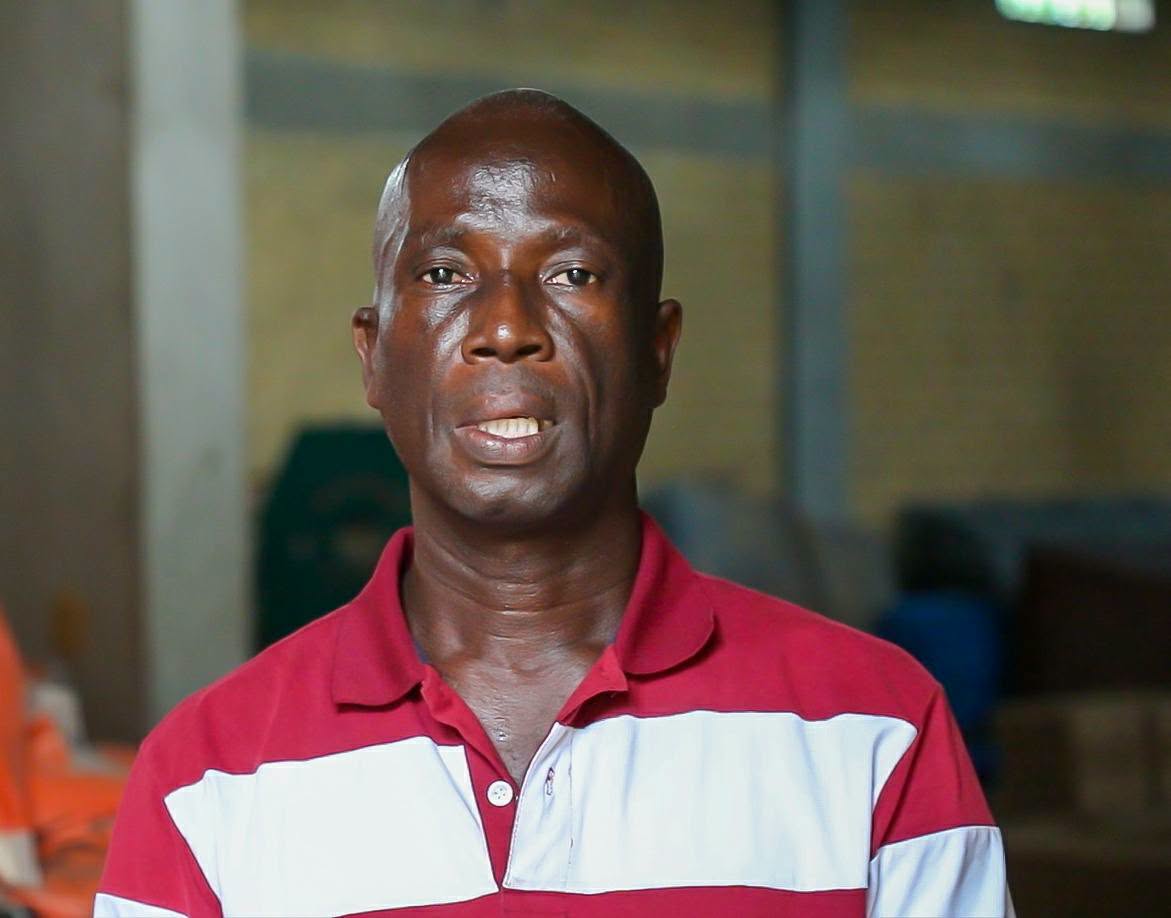 "Before I received support from FSRP, my poultry capacity was 18,000 layers. Importing maize and concentrate made production very expensive and reduced my profits. I wanted to grow my own maize to reduce import costs, but it was difficult because I did not have the necessary machinery."
"Fortunately, I received a grant from FSRP. I invested the funds in expanding my farm to a capacity of 40,000 birds. I purchased 22,000 battery cage spaces, machinery to cultivate maize, a delivery van, and improved my branding. This investment has helped me create employment for around 500 people, especially young people and women."
James and other poultry farmers are determined to significantly reduce egg and poultry imports by 2028. He assured the Government that this goal is achievable with continued support and policies that create an enabling environment for local investors.
James' message to Sierra Leoneans is simple: "Buy Salone eggs because they are fresh, healthy, and patriotic. By supporting local eggs, you will help us expand production, reduce imports, and keep more money in the country."