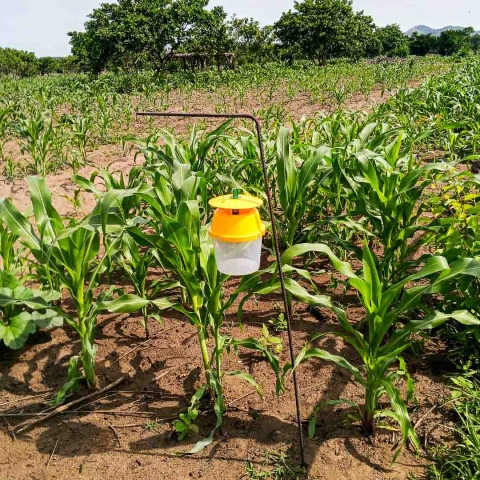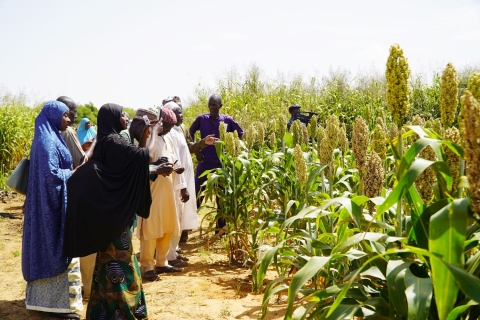
For several years now, farmers in West Africa and the Sahel have relied primarily on their own experience or on signs from nature to decide when to sow, apply plant protection treatments or harvest. However, with climate change, these indicators have become increasingly unreliable.
In Ghana and Togo, for example, the rainy seasons sometimes arrive late, come to an abrupt halt or bring exceptional rainfall followed by long periods of drought. These disruptions lead to significant crop losses of maize, rice, sorghum, millet and cassava.
 At the same time, most national meteorological services face numerous constraints.
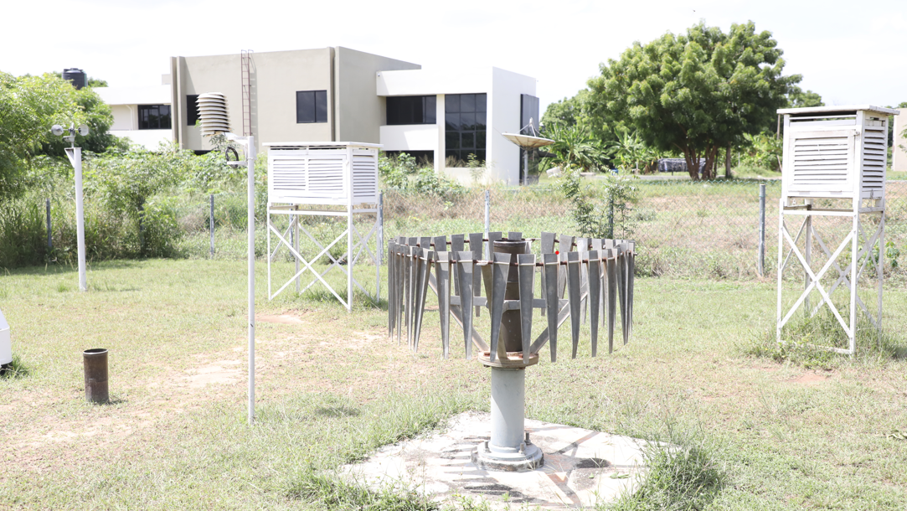
Observations are carried out manually, requiring staff to travel constantly, use paper-based records and undergo often lengthy processing procedures before forecasts can be produced. This situation frequently results in incomplete data; forecasts are published late and their dissemination to farmers remains limited, thereby reducing producers’ ability to anticipate climate risks.
As part of the implementation of the West African Food System Resilience Programme (FSRP) in Ghana and Togo, meteorological services have been provided with equipment to automate their operations, with a view to improving the quality of observations, speeding up data processing and making the information accessible to farmers.
In Ghana, 20 automatic weather stations have been installed across the country. This equipment automatically transmits climate data via a central server, providing meteorological engineers with continuous, higher-quality information.
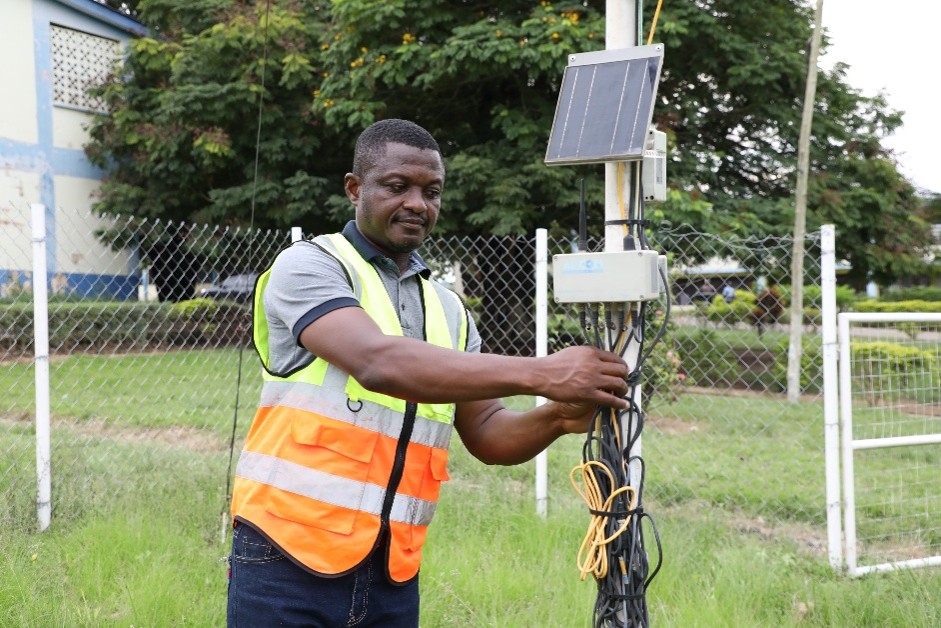 For Dr Richmond Obeng, chief meteorologist at the Ghana Meteorological Agency, automation represents a genuine revolution.
“Previously, much of our time was spent manually collecting and recording observations. Automatic stations now transmit data in real time. We can focus on analysis, improve the quality of forecasts and produce weather advice for farmers much more quickly.”
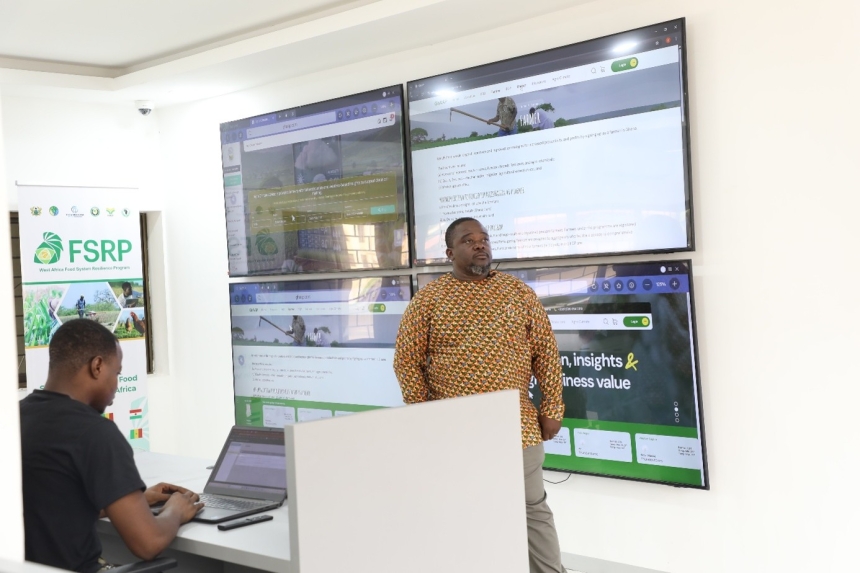
The programme has also supported the establishment of a national operations centre, which serves as a platform for integrating agricultural and weather data.
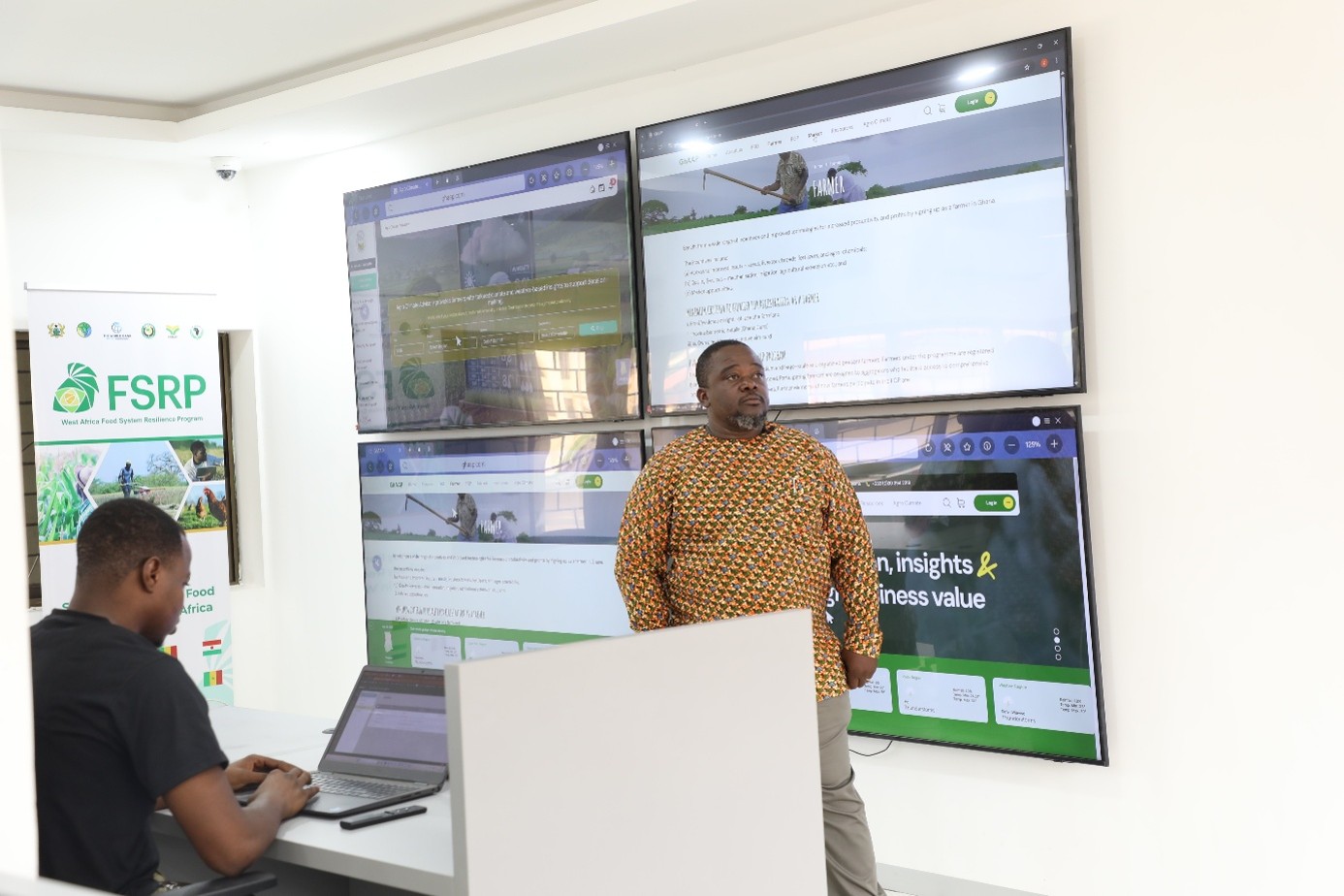 Thanks to this modern infrastructure, the technical services now draw up cropping calendars tailored to each region and each crop.
The information is disseminated to farmers via the GAAP platform (Ghana Agricultural and Agri-Food Platform), WhatsApp groups, text messages and other digital tools.
Today, more than 1.3 million farmers have access to agrometeorological information to help them plan their farming activities more effectively.
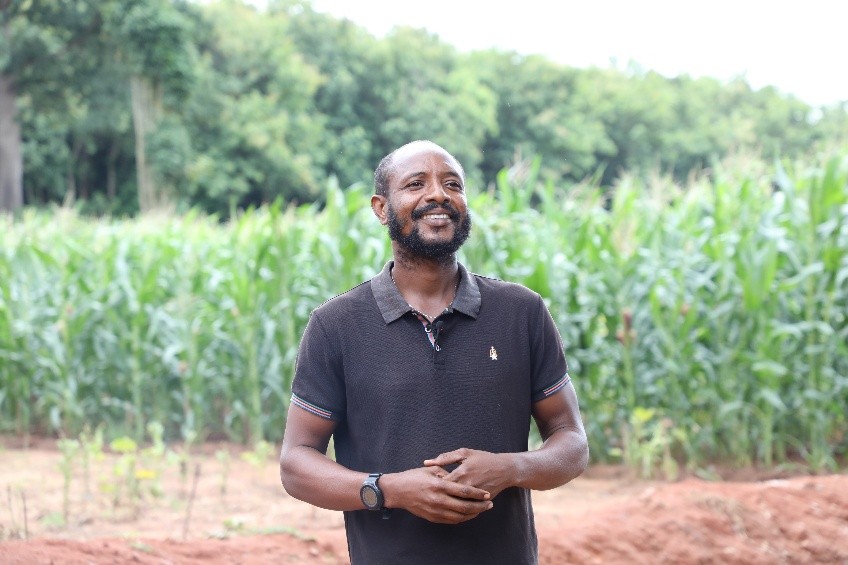 In the Eastern Region of Ghana, Ademis Maejordem Joseph, a doctor by profession and a maize farmer, has noticed a radical change. “Before, we used to sow as soon as the first rains came. On several occasions, the rain would stop for several weeks and we would lose part of our crops. Today, thanks to the messages we receive, we know the best times to sow. We save on seeds, we reduce losses and our yields are more consistent. Weather information has become a real production tool.”
In Togo, FSRP is supporting the National Meteorological Agency (ANAMET) in a major modernisation of its infrastructure.
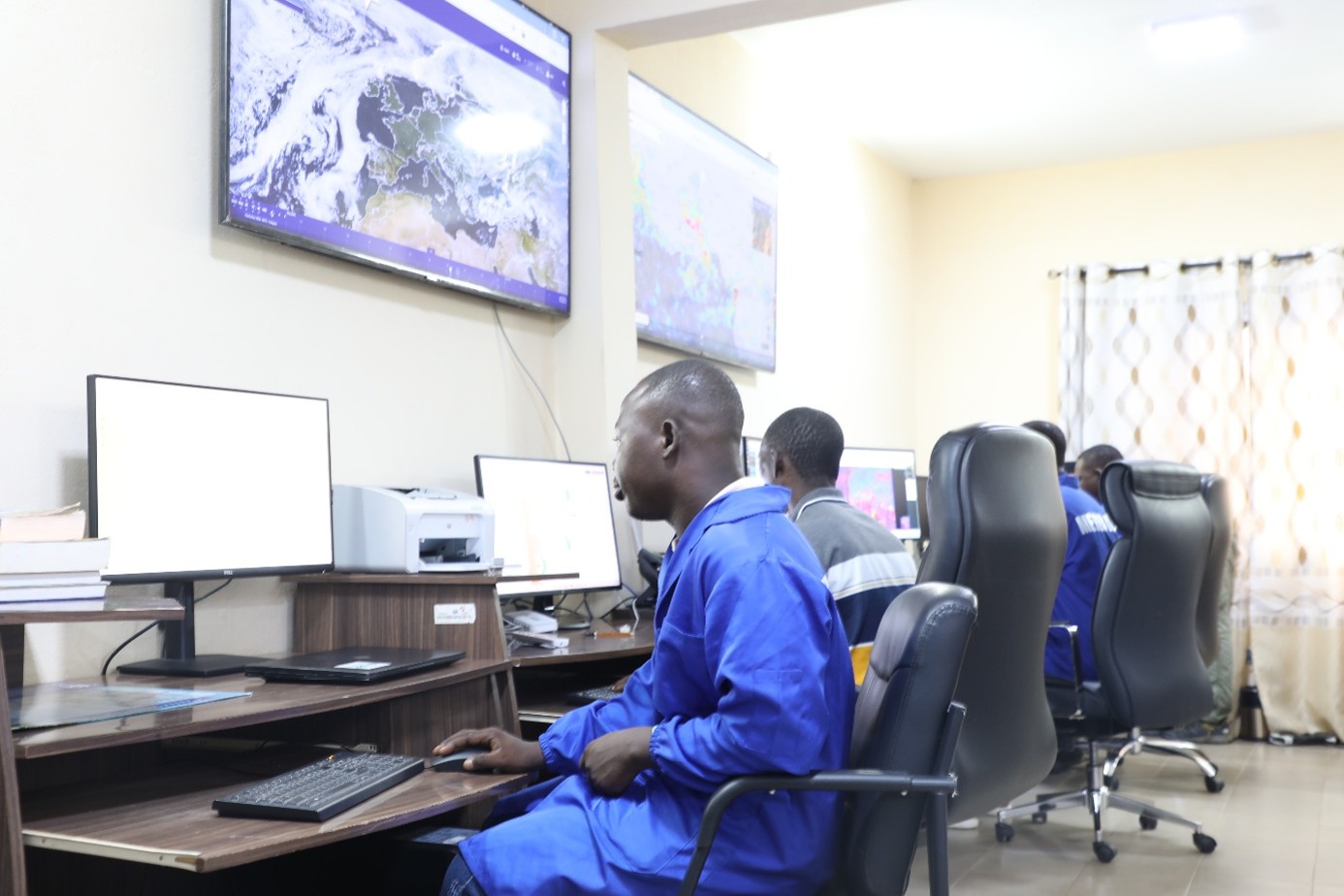 The programme has enabled the refurbishment of 24 automatic weather stations, including 8 hybrid stations combining automatic data collection with manual observations.
At the same time, 14 meteorological centres have been fully refurbished to strengthen national coverage.
FSRP has also invested in developing the skills of ANAMET staff through specialised training courses organised at the AGRHYMET Regional Centre in Niamey.
The data collected now feeds into more accurate weather forecasts, which are rapidly disseminated to farmers via a range of communication channels tailored to local circumstances, including WhatsApp groups, text messages and voice messages, community radio stations, weather apps, agrometeorological bulletins and the meteorological committees set up in the Planned Agricultural Development Zones (ZAAPs).
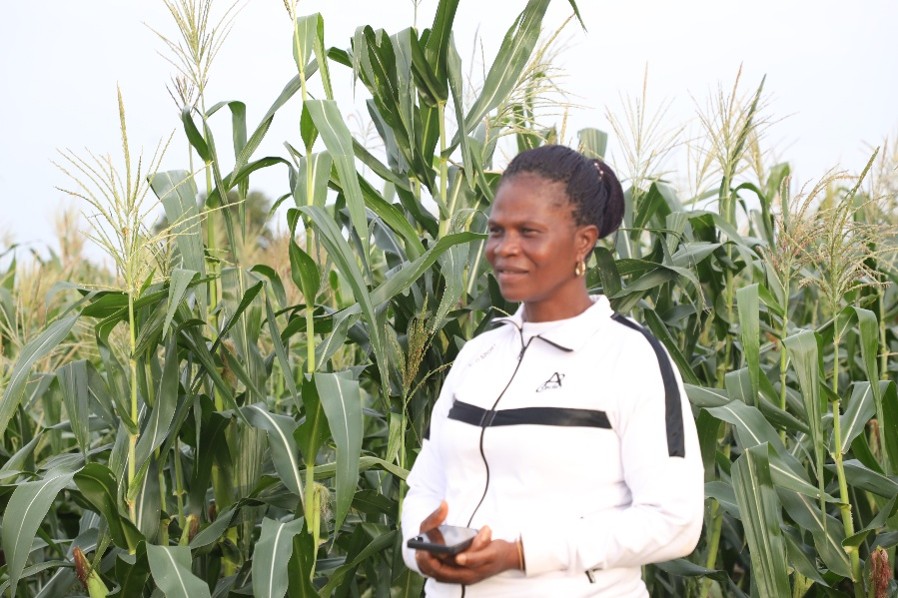 In Gadjagan, in the Agou prefecture of Togo, Véronique Akou, a maize farmer and member of the Kloto Planned Agricultural Development Zone (ZAAP), now checks the weather forecast regularly.
“Before, we were working almost in the dark. Sometimes we would sow just before a long dry spell. Now, thanks to updates shared by agricultural officers and WhatsApp groups, we know when to sow and when to apply treatments. We waste fewer inputs and our harvests are more secure.”
The Kloto ZAAP comprises 193 farmers, including 92 women, who grow fresh maize and rice on 106 hectares. They receive essential information on the start and end dates of the farming season, rainfall forecasts, temperatures, humidity levels, dry spells, and the risks of flooding or drought, as well as agrometeorological advice enabling them to better plan sowing, crop maintenance and harvesting operations.
Services for farmers are provided in real time, and relations between the meteorological centres and farmers are more direct through interactive platforms.
For the Head of the Sokodé Meteorological Centre, Isso Alassani Seid, the transformation is evident at every level.
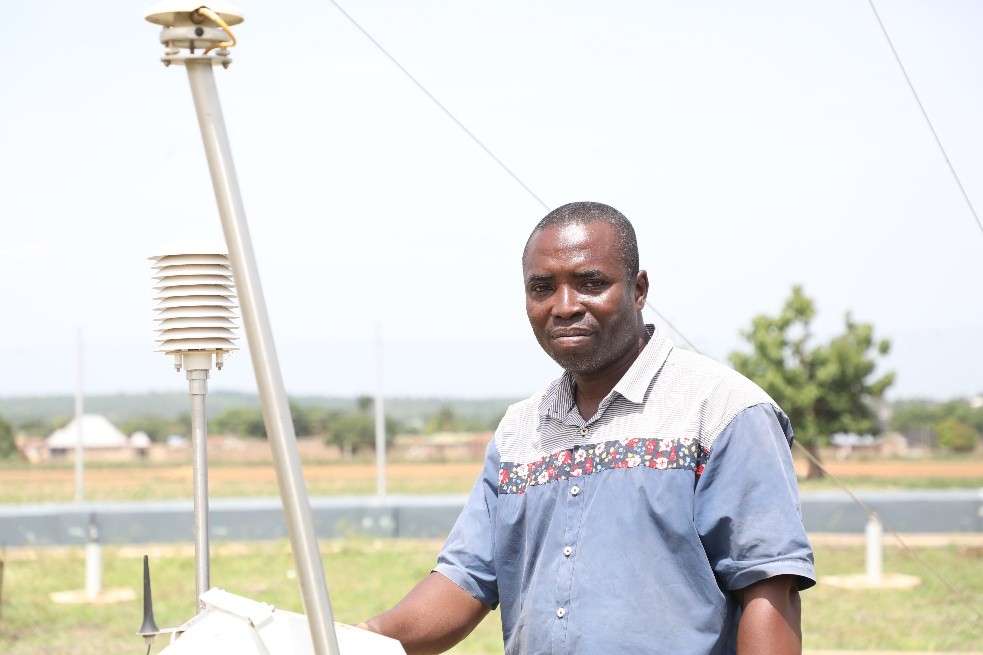 "The new automatic stations enable us to obtain continuous observations with a high degree of accuracy. The data is available almost instantly and is processed much more quickly. Thanks to the training provided with the support of the FSRP, our teams have a better grasp of
agrometeorological analysis and can provide farmers with information tailored to their needs. We have moved from a largely reactive system to a genuine decision-support service for the agricultural sector.”
Benefits that help improve food security for local communities
In Ghana and Togo, the automation of meteorological services does not only benefit institutions.
For farmers, this modernisation enables them to choose the best sowing dates based on weather forecasts, reduce losses caused by adverse weather conditions, plan crop protection treatments and harvests more effectively, and improve yields whilst securing their incomes. For meteorological engineers and technicians, it results in more reliable observations, considerable time savings thanks to the automation of data collection, improved quality and accuracy of forecasts, faster dissemination of weather alerts, and a strengthened capacity to provide relevant information and advice to support agricultural policies and farmers’ decision-making.
By modernising meteorological infrastructure and bringing climate services closer to farmers, the FSRP is helping to bring about a sustainable transformation in the way agricultural decisions are made in West Africa.
From Ghana to Togo, climate data no longer remains confined to meteorological centers: it now reaches producers directly, at the very moment they need it most.
This modernisation of the collection and dissemination of agro-meteorological information boosts the resilience of farms, improves food security and demonstrates that reliable climate information can be as valuable as a good rainfall.