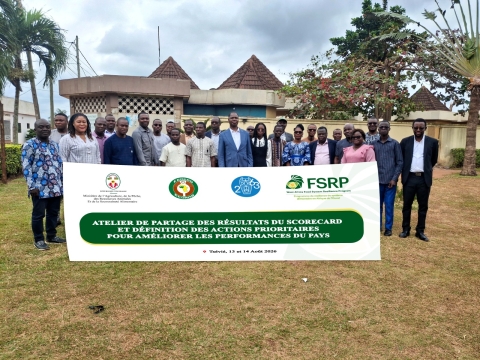
Regional wrap up meeting of FSRP support missions: significant progress in the programme implementation

Published on 7 March 2026

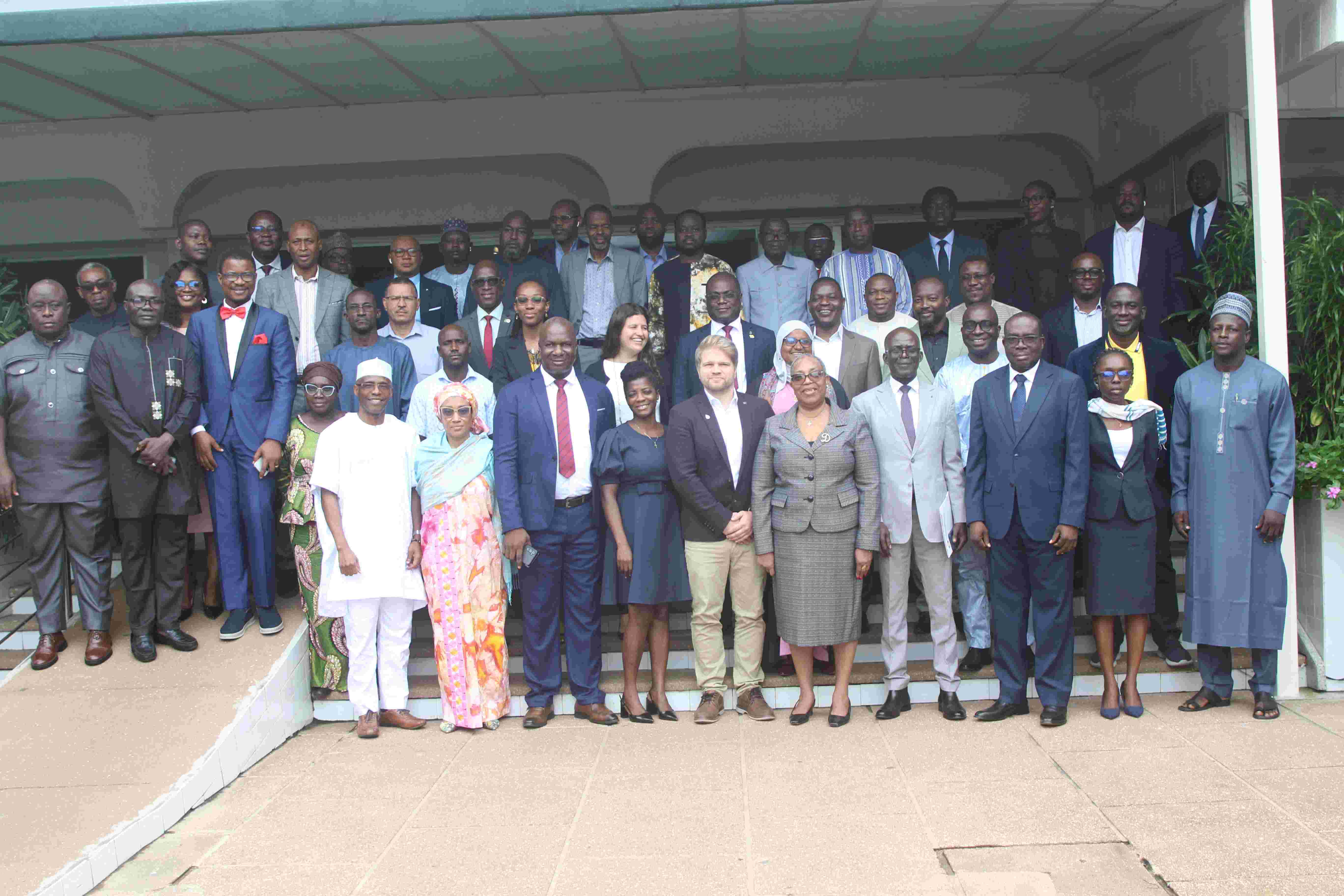
On 2–3 March 2026, in Lomé, Togo, more than 80 participants from Burkina Faso, Mali, Niger, Senegal, Sierra Leone, Chad and Togo, as well as from CILSS, CORAF, ECOWAS and the World Bank, gathered to review the support missions carried out by countries and regional institutions in implementing the programme. The Lomé meeting provided an opportunity to strengthen the coordination of regional and national activities, promote the exchange of experiences and reinforce synergies between all stakeholders and partners in the West Africa Food System Resilience Programme (FSRP).

Following the regional review meeting of support missions held in Accra, Ghana, in March 2025, FSRP implementation stakeholders and partners reviewed progress made and made the necessary adjustments to achieve the programme's objectives during the 2026 meeting in Lomé, Togo.

Activities related to digital advisory services for food crisis prevention, sustainability and adaptation of the productive base, and facilitation of intraregional trade in West Africa were reviewed at both the regional and country levels. Discussions also focused on strengthening coordination between the regional and national levels to maximise synergies and enhance mutual learning among FSRP stakeholders.

Overall, it appears that the actions carried out in the countries and at the regional level have reached a total of 3,528,5743 direct beneficiaries, 35% of whom are women, since its implementation in all eight (08) beneficiary countries, namely Burkina Faso, Ghana, Mali, Niger, Senegal, Sierra Leone, Chad and Togo.

Despite a difficult context for implementing activities on the ground due to socio-political and security challenges, major achievements have been noted in terms of people's access to climate and agricultural information, the creation and dissemination of resilient technologies and innovations, the facilitation of cross-border trade and support for stakeholders in the development of agricultural reserves. These results were welcomed by partners at all levels, who reiterated the need to strengthen exchanges between national and regional stakeholders, a specific feature of the programme, as highlighted during the opening ceremony of the meeting by

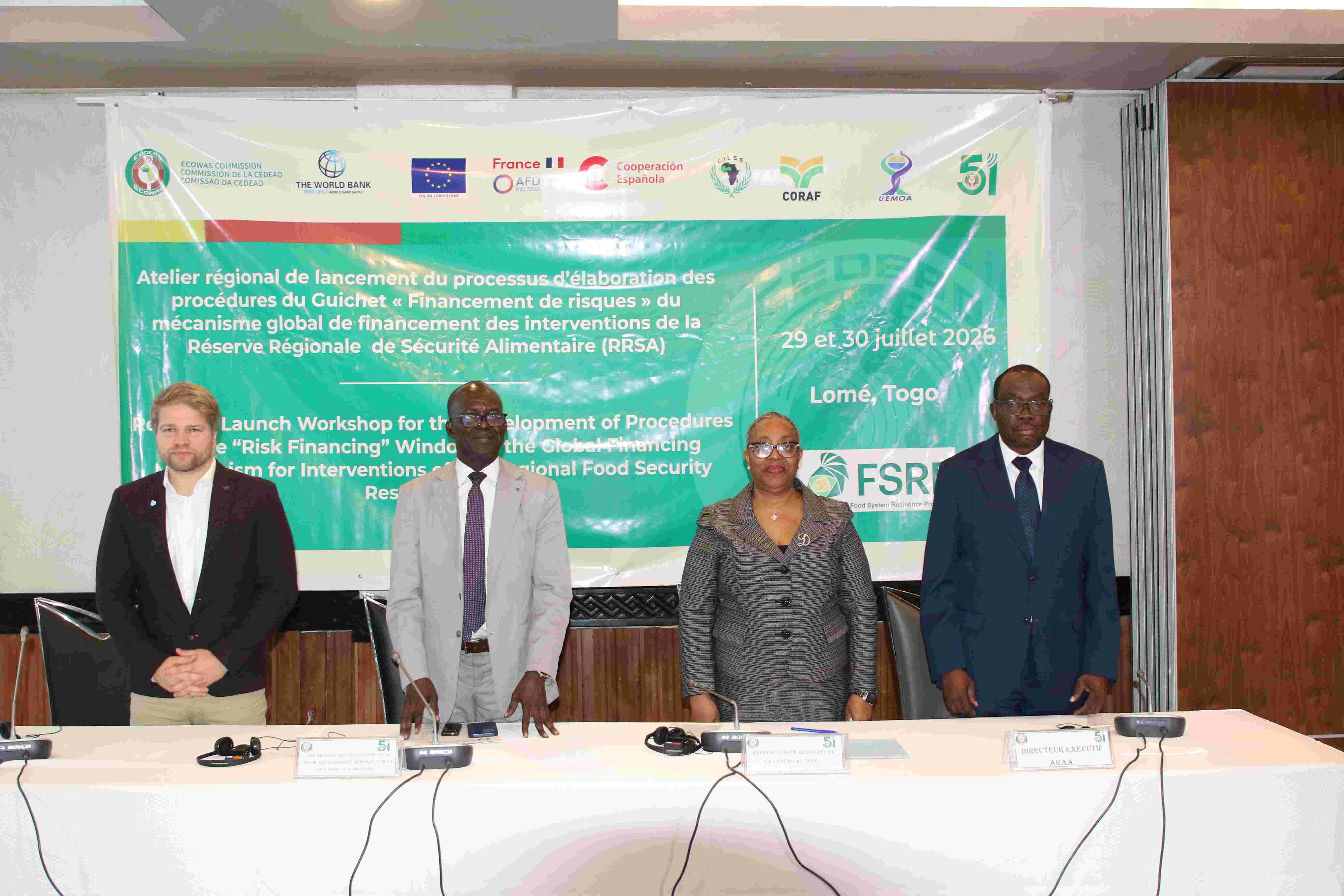
the Executive Director of the Regional Agency for Agriculture and Food (ARAA), the Executive Director of CORAF, the representative of CILSS, the FSRP Programme Manager (TTL) at the World Bank and the Chief of Staff to the Minister of Agriculture, Fisheries, Animal Resources and Food Sovereignty of Togo.

They also highlighted the unique nature of the FSRP, which addresses a wide range of issues including agrometeorology, climate change, the employability of women and young people, food safety, trade in agricultural products, the free movement of agricultural products, sustainable land management, rational management of natural resources, and food crises.

In view of these major achievements at both country and regional level, the FSRP is part of a sustained effort to contribute effectively to the prevention and management of agricultural and food crises in the sub-region, to strengthen the resilience of agro-sylvo-pastoral production systems and to facilitate trade in agricultural goods and inputs within and beyond national borders in West Africa.

In-depth discussions have made it possible to capitalise on good practices and promote better integration of innovative approaches aimed at improving food security, the resilience of agricultural systems and access to markets.

A special session devoted to a video competition on success stories provided an opportunity to view eleven (11) productions highlighting concrete results achieved at both the country and regional levels on a variety of themes. Following the jury's evaluation, the videos from Mali, CORAF and Niger were ranked third, second and first respectively and were awarded trophies.

The 2026 session summarising the support missions to countries and regional institutions in the implementation of the programme was an opportunity to pay tribute to Ms Maty BADIAO, Regional Coordinator of the FSRP, who has chosen to step down from her position to take a well-deserved rest after more than forty (40) years dedicated to agricultural development in the sub-region. The participants unanimously praised her exemplary commitment, professional rigour and high standards of work, which have marked her entire career. They expressed their deep gratitude for her remarkable contribution to the advancement of the agricultural sector and the strengthening of regional initiatives to promote the resilience of food systems in West Africa.

Moving food across West Africa: the good, the bad and the promise

Published on 17 February 2026

Intra-regional trade in agricultural and food products is crucial for West Africa's food system resilience, but persistent challenges result in lower official trade flows compared to other regions of Africa. Several policies have been formulated to facilitate and strengthen trade flows throughout the subregion. These include, among others, the ECOWAS Trade Liberalization Scheme (ETLS), the ECOWAS Common Agricultural Policy (ECOWAP) and the African Continental Free Trade Area (AfCFTA). Whilst the adoption of these policies and frameworks may be lauded, the evidence suggests that ECOWAS Member States are struggling with the implementation of these normative policies.

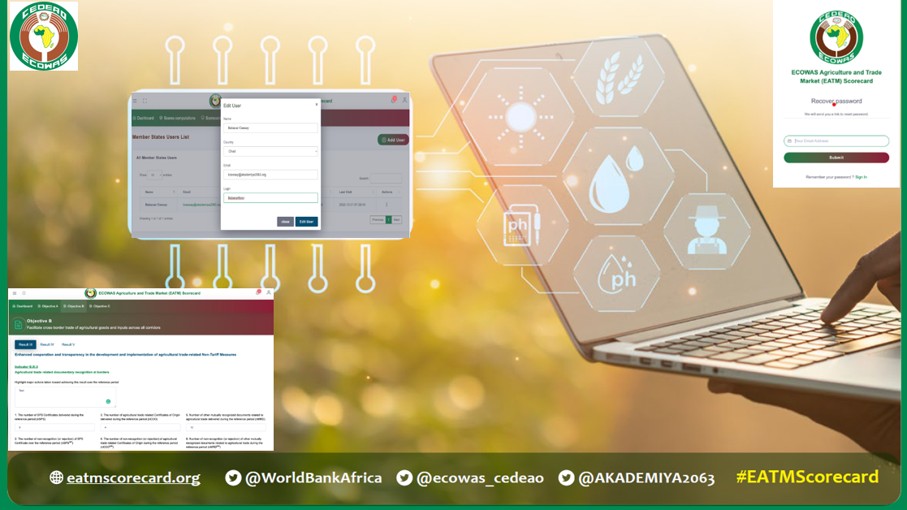
Subsequently, through the World Bank financed US$ 1.2 Billion West Africa Food Systems Resilience Program (FSRP), ECOWAS has designed and introduced the ECOWAS Agriculture Trade & Market Scorecard (EATM-S) as a flagship initiative, to monitor and enhance member states’ compliance with agreed standards.

The Good

West Africa has been a well-established, integrated region since the early 8th century and was home to the first known African empires, such as the Ghana empire and the Mali empire (also known as Mandé) in the 13th century, which included territories of several current West African countries. Both empires had strong trade relationships with their neighbours. They had large gold endowments and were at the crossroads of traders coming from both the north (Maghreb region) and south (Soudano region). In addition to gold, copper, and salt, agricultural products were highly traded in the region (Source: Niane, 1987). Trade was facilitated by the presence of homogenous ethnolinguistic groups established in several countries, which were later fragmented in the colonial period. These included the Mandingo group - present in Mali, Burkina Faso, Côte d’Ivoire, Guinea, Guinea-Bissau, and Gambia, as well as the Fulani group - present in Mali, Senegal, Burkina Faso, Guinea, Guinea-Bissau, Ghana, Benin, Niger, and Nigeria. (Source: Bouet et al, 2024).

Created in 1975, the Economic Community of West African States (ECOWAS) was established to pursue stability and regional integration in Africa and, over time, has expanded its mandate to include political dimensions. A major milestone was achieved shortly thereafter, with the launch of the ETLSin 1979 to foster regional trade. The ETLS first covered agricultural and unprocessed products (for food security reasons) and handicrafts, before it was extended to industrial products in 1990.

In that light, Ghana, a prominent member of ECOWAS, continues to participate in ECOWAS’ regional integration efforts through our commitment to ratification and harmonization of several trade policies and initiatives such as the ETLS, ECOWAP and the establishment of AfCFTA in Ghana.  

The BAD

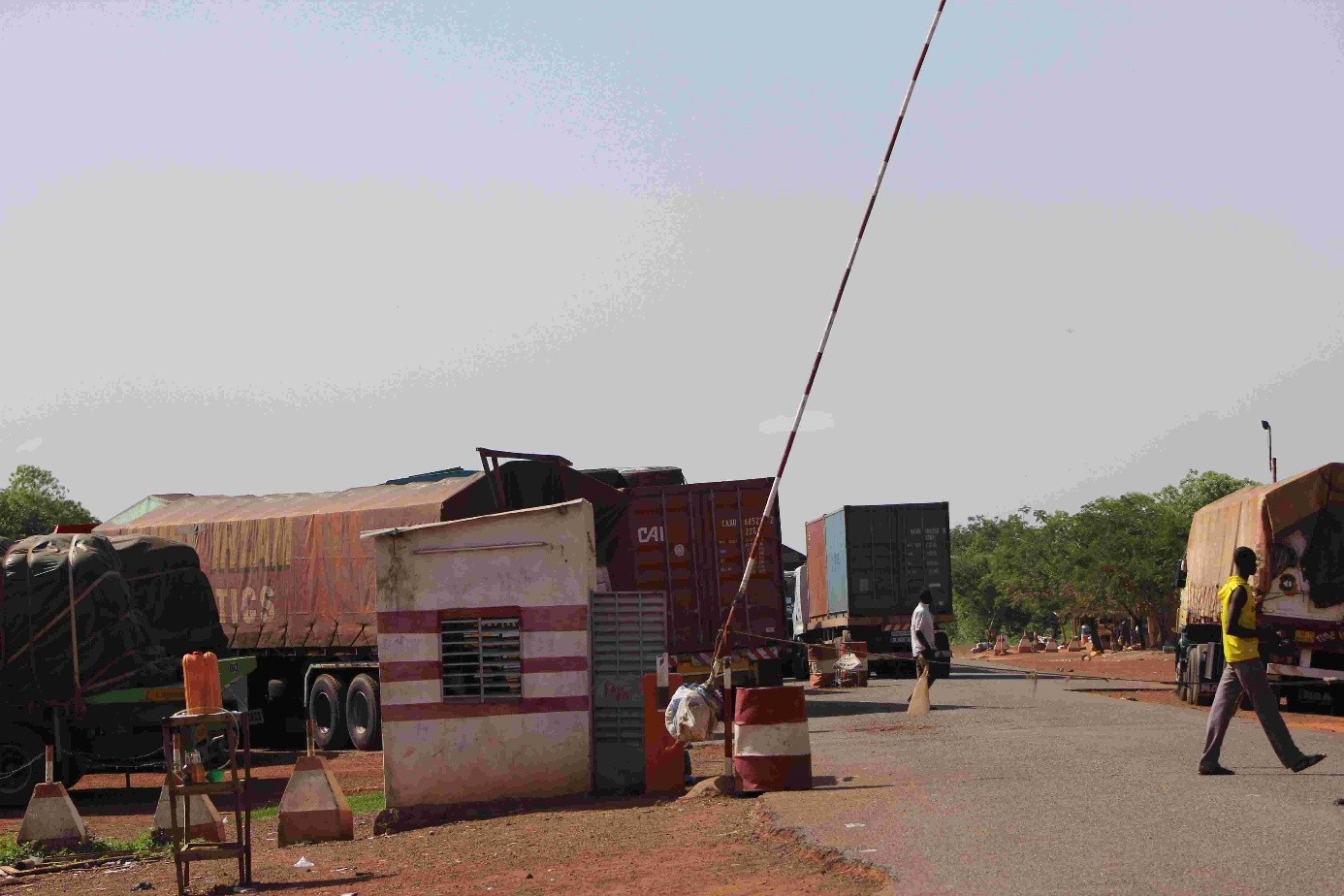
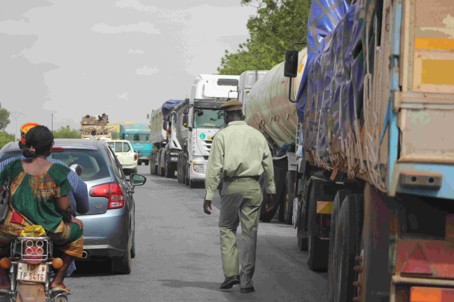
Irrespective of all these regional strides, the harmony hoped for, is but a mirage across the sub-region. As we speak, there is no evidence that this phenomenon has changed over the period. Barriers, checkpoints, never-ending pull-overs and road inspections still exist. High custom duties and other petty charges, near-intimidating documentation requirements at borders, administrative obstacles, long hours and delays, restrictions and prohibitions and poor road infrastructure across countries persist; not to mention, robbery, harassments and abuse of female traders, and civil wars continue to plague trade activities in the sub-region.

When it comes to traders in food and agri produce, the perilous impacts cut even deeper. Imagine moving tomatoes from one country to another and doing that through numerous barrier-stops, getting pulled-over and parked for hours, exposing foodstuffs to the mercy of extreme weather. This certainly leads to the foodstuffs losing their nutritional value – that is, if they ever get to their destination markets in any marketable shape. This erodes the profit margin of the trader - hence the tendency to marginally hike prices of the few that make it to the market, to make up for the losses. It also discourages more traders from participating in the enterprise, leaving the trade to only a handful of traders to dictate terms in the marketplace. Livestock are also not spared the dread. Travelling long distances on mostly bumpy roads disorients them, in addition to dehydration under the scorching sun across time zones. Some eventually are unable to survive the journey.

The Promise

In view of these, the ECOWAS EATM-S performance measurement and tracking mechanism aims to identify gaps in the national implementation of regional agricultural and food trade policies.

Through the EATM-S, ECOWAS is monitoring and assessing the progress or otherwise being made by member countries towards breaking barriers, igniting speed, cutting costs and significantly increasing the volumes of trade in food and agricultural produce (particularly maize and rice across the sub-region from 20% to 30% by 2028). As part of the assessment process, public authorities and regulatory bodies across the sub-region - like Customs and Standards regulators, Chambers of Commerce, trade experts/practitioners and business advocacy groups, were surveyed for vital information to track national implementation of regional policies and regulations. Manufacturers, wholesalers, retailers, cross-border traders, forwarding agents, logistics/shipping and transport companies also divulged some critical information.

ECOWAS’ investigative focus was on a range of cross border administrative protocols and processes like the extent and value of intra-regional imports and exports of agricultural goods and inputs, restrictions. Time spent, costs, prohibitions and documentation requirements, custom duties or other charges, as well as the quality of transport infrastructure and frequency of road inspections and checkpoints were all under scrutiny. The outcome of this assessment will further increase transparency and accountability of agricultural trade within the sub-region. The results of this year’s scores are expected to be released within the 3rd quarter of 2025, when each member country’s performance in enhancing or stifling cross-border trade would be out for all to see.

Ghana’s strategic Pitch

At the dawn of his second term, President Mahama embarked on a number of ‘Good Neighbourliness Tours’ aimed at reinforcing diplomatic and economic relations with Ghana’s neighbouring countries. During his visit to Mali, he highlighted the vital role that long-distance truck drivers play in the economies of both nations. He acknowledged the existing challenges faced by these transporters, including cumbersome customs procedures, roadblocks, delays at border crossings, and unofficial fees imposed along the route.  The President expressed his administration’s unwavering commitment to strengthening regional trade by ensuring that all barriers hindering the smooth transportation of goods between Ghana and Mali are removed. Similarly, in Burkina Faso, President Mahama announced ongoing discussions to introduce direct daily flights between Accra and Ouagadougou. This initiative aims to boost trade, connectivity and cross-border relations between Ghana and Burkina Faso, further strengthening bilateral ties. 

These moves from Ghana are indeed crucial for fostering intra-regional trade and economic growth and enhancing relations between Ghana and its neighbours.

Already, through World Bank funding, FSRP Ghana is upgrading facilities such as laboratories and offices belonging to the Plant Protection and Regulatory Services Directorate (PPRSD) of the Ministry of Food and Agriculture (MoFA) at 4 border stations located at Paga, Hamile, Sampa and Aflao. The Project is also set to upgrade selected bulk markets – Bolga, Abofour, Ejura, Agogo and Denu - where substantial intra-regional trade in rice, maize, among others are carried out. These interventions would not only facilitate improvement in Sanitary and Phytosanitary (SPS) activities but would also boost agricultural trade between Ghana and its neighbours.

Shadows of ECOMOG

‘FSRP Ghana’ believes that where trade and commerce fail to go, conflicts and hunger go! In the past, ECOWAS was primarily recognised for its peacekeeping activities within the subregion, particularly through the ECOWAS Cease-fire Monitoring Group (ECOMOG). Ghana has been pivotal in these efforts geared at fostering and entrenching regional peace and stability - through the contribution of troops, ammunition, intelligence, funding and sterling diplomacy. But now, marching forward, ECOWAS, the World Bank, Ghana and sister FSRP nations are taking up arms against hunger, climate perils and food insecurity. From the perspective of ‘FSRP Ghana’, ECOWAS-led peace-keeping efforts offered a platform for Ghana to showcase her GENERALS. In like manner, an ECOWAS-led campaign against food insecurity should produce ‘Generals-In-Agriculture’ for Ghana!

ECOWAS approves new draft regulations to facilitate trade of agricultural, forestry, pastoral and fishery products in West Africa and the Sahel

Published on 17 November 2025

Around forty representatives from ECOWAS member states, CILSS, UEMOA and experts on agricultural and legal issues and their technical and development partners met in Lomé from 10 to 12 November 2025 to examine and approve draft reports and regulations on administrative and technical measures to facilitate trade of agricultural, forestry, pastoral and fishery products in West Africa and the Sahel.

This regional meeting, organized by the ECOWAS Commission, was an opportunity to review the contents of the consultants' reports on obstacles to the free movement of agricultural products at borders, as well as some inconsistencies in existing regulations.

Intra-community trade of agricultural products, cereals, roots, livestock, horticultural products and processed agri-food products plays a key role in stabilising prices, enhancing regional value chains and promoting food sovereignty. It is the main source of income for most rural households and a pillar of regional food security.

Despite its importance, the smooth flow of regional trade faces a series of persistent challenges, including tariff and non-tariff barriers, local restrictions and other export and import bans, which hinder the free movement of goods. These obstacles are compounded by administrative delays resulting from complex customs procedures. In addition, there is a lack of awareness of the regional rules governing intraregional trade, mainly the provisions of the ECOWAS Trade Liberalisation Scheme (TLS). These structural difficulties are exacerbated by inadequate logistics and storage infrastructure and a lack of coordination between States, the latter manifested in the poor implementation of reforms that have been adopted.

To help remove the above-mentioned constraints, the ECOWAS Commission conducted in 2019 a study to identify administrative and technical measures promoting the free movement of agricultural, forestry, pastoral and fishery products in West Africa. Five years on, in view of regulatory developments, it was deemed necessary not only to update the draft reports of this study, but also to propose draft regulations aimed at harmonising the administrative and technical measures identified by the study to facilitate intraregional agricultural trade.

In working groups and plenary sessions, participants reviewed the documents submitted for their consideration and made the necessary corrections and updates.

Over three days, participants shared their experiences and ideas and made suggestions for improving the draft regulations proposed by the consultants. The aim of the work was to make the TLS operational by providing the region with high-quality documents, thereby helping to build a more prosperous and sustainable future for the sub-region.

The draft regulations, enriched by the amendments made at the Lomé meeting, will shortly be submitted to the ECOWAS Commission's directorates for amendment before being forwarded to the States for consultation with key players in cross-border trade. The documents will then be submitted to the relevant experts for approval by the Council of Ministers. This extensive consultation aims to ensure ownership of the content of the texts and, consequently, their implementation once adopted by the regional authorities.

Regional validation of the results of the feasibility study on the risk financing mechanism for food security in West Africa

Published on 10 November 2025

On 29 October 2025, ECOWAS, through the Regional Agency for Agriculture and Food (RAAF) and with the support of the World Bank under the Food System Resilience Programme in West Africa (PRSA/FSRP), organised a regional workshop by videoconference to validate and disseminate the results of the feasibility study for a regional agricultural and food risk financing instrument for the benefit of the Regional Food Security Reserve (RFSR) a regional workshop to validate and disseminate the results of the feasibility study for a regional agricultural and food risk financing instrument for the benefit of the Regional Food Security Reserve (RRSA).

The meeting brought together some 40 representatives from member states, regional institutions (ECOWAS, UEMOA, CILSS, BIDC), technical and financial partners (World Bank, WFP, FAO) and the WTW/Munich Re consultancy. Over the course of a day, participants approved the technical results of the study, discussed the operational conclusions and identified the main steps for implementing the future mechanism.

Since its creation in 2013, the RRSA has been an essential instrument of solidarity and rapid response to food crises. However, in the face of intensifying shocks and growing financial needs, the mobilisation of physical stocks alone is no longer sufficient to ensure regional food security in the long term. It is with this in mind that the design of a regional disaster risk financing (DRF) mechanism was initiated, with the aim of complementing and strengthening the function of the regional reserve.

This innovative mechanism will ultimately enable ECOWAS to have access to advance financial resources, triggered in an objective, transparent and rapid manner with parametric indices. This is a major development, marking the transition from a reactive approach to a genuine culture of prevention.

The feasibility study, conducted by the Willis Towers Watson (WTW) and Munich Re consortium under the supervision of the World Bank, laid the technical and institutional foundations necessary for the operationalisation of this mechanism. Participants were able to examine in detail the climate and food risks characterising the region, based on SPI-3 indices and Harmonised Framework analyses. They also reviewed comparative results for different financial instruments (parametric insurance, contingent credit lines, etc.).

Discussions revealed the current undercapacity of the RRSA, which limits its role as a third line of defence at the regional level, as well as the immediate unsustainability of stand-alone parametric insurance due to its cost and institutional requirements. Participants emphasised the need to structure a financial reserve, define a predictable trigger system and explore hybrid approaches, including contingent credit solutions and partnerships with the ARC and WFP.

At the end of the proceedings, the three technical reports were validated and the following recommendations were made: (i) experiment, in the short term, with pilot solutions based on the SPI-3 and CH indices, while strengthening the operational and financial governance of the RRSA; (ii) consolidate, in the medium term, the technical and institutional capacities of the reserve and test a regional multi-index mechanism; (iii) operationalise, in the long term, an autonomous regional insurance mechanism, integrated into the ECOWAS resilience and food sovereignty strategy.

Benin: ECOWAS trains 30 inspectors on the Harmonised Guide to Health Inspection and raises awareness among cross-border trade stakeholders on the Harmonised SPS Certificate

Published on 2 October 2025

A total of thirty (30) inspectors representing the various structures in charge of health control in Benin attended the training on the Harmonised Guide to Health Inspection and Risk-Based Decision-Making in Cotonou from 9 to 11 September 2025.

Organised as part of the implementation of the West Africa Food System Resilience Programme (PRSA), this meeting was an opportunity to strengthen the capacities of Benin's inspectors with a view to enabling the country to take advantage of the regional and even continental market for agricultural and agri-food products to improve food safety and nutrition.

As a reminder, the Health Inspection Guide developed by ECOWAS was adopted with a view to, harmonise inspection and decision-making methods based on risk and scientific data, increase transparency in inspections, and facilitate the free movement of agricultural, forestry and pastoral products by removing technical barriers to trade in ECOWAS and Sahel member states.

As in other countries, training on the Harmonised Health Inspection Guide was followed on 12 September 2025 by a day of awareness-raising for cross-border trade stakeholders on the Harmonised SPS Certificate. The adoption of this SPS certificate responds to the concern to harmonise national SPS standards and adapt them to international best practices, including the World Trade Organisation's SPS Agreement and Annex 7 of the AfCFTA (on SPS), with a view to reducing technical barriers to intra-community trade in agricultural, forestry and pastoral products, while preserving human and animal health and plant protection.

 Fifty participants from both the private and public sectors attended this awareness-raising day, organised with the support of the Benin Chamber of Commerce and Industry.

In addition to the presentation of the Harmonised Phytosanitary Certificate, participants familiarised themselves with other protocols adopted by ECOWAS to facilitate intra-community trade, namely: the Trade Liberalisation Scheme (TLS), the Common External Tariff (CET), Community transit, etc. 

World Bank support mission to ECOWAS: progress in implementing the FSRP

Published on 7 September 2025

The World Bank regional team conducted a support mission to the Food System Resilience Programme in West Africa (FSRP) at ECOWAS from 25 to 26 August 2025. The meeting, held at the headquarters of the Regional Agency for Agriculture and Food (RAAF) in Lomé, Togo, assessed the progress of the Regional Trade Facilitation and Overall Coordination components and identified solutions to improve programme implementation.

The World Bank and ECOWAS teams were led by Dr Ashwini Sebastian, FSRP TTL, and Mr Alain Sy Traore, Director of Agriculture and Rural Development (DADR), respectively.

Over two days, discussions focused on the main achievements of the first half of 2025 and the level of implementation of the recommendations made at the mid-term review workshop in January 2025.

Overall, ECOWAS has made significant progress in implementing the FSRP. The coordination team was encouraged to intensify its efforts on technical activities that could help facilitate agricultural trade in West Africa to achieve the programme's results framework indicators.

Validation of the first operationalisation report of the ECOWAS Trade and Agricultural Market Scorecard

Published on 4 August 2025

On 10 July 2025, more than fifty stakeholders and partners specialising in agricultural trade and markets from Ghana, Niger, Senegal, Sierra Leone, Chad, Togo, as well as ECOWAS institutions and partners took part in an online session to present the main findings and recommendations of the regional report on the operationalisation of the ECOWAS Agricultural Trade and Market Scorecard (ECOWAS Agricultural Trade and Market Scorecard), with a view to its validation.
This meeting enabled AKADEMIYA2063 experts to share their analysis of countries' performance and shortcomings in the agri-food trade sector, while reviewing the progress made in implementing trade policies and strengthening existing regulatory frameworks at the national level.
Indeed, the West African region, with its rich economic potential, represents a vast market with the potential to stimulate growth and prosperity, provided that intra-regional trade barriers are removed and trade is facilitated. The liberalisation of regional agricultural trade would enable producers to sell their products at better prices and improve their competitiveness and productivity, in particular through easier access to lower-cost production inputs.
However, despite this strategic importance, West Africa continues to face significant challenges in collecting and analysing data on trade and agricultural markets, limiting the ability of states and ECOWAS to make informed decisions, formulate appropriate policies and promote sustainable economic development.
To address these challenges, ECOWAS, with support from the World Bank and technical expertise from AKADEMIYA2063, has developed an analytical tool: the Agricultural Trade and Market Dashboard. This tool aims to better document intra-African trade flows of agri-food products, identify gaps in existing trade policies and strengthen the implementation of regional frameworks such as the ECOWAS Trade Liberalisation Scheme (ETLS), the Common External Tariff (CET), ECOWAP, CAADP and the AfCFTA.
"By facilitating rigorous monitoring and a better understanding of trade dynamics, the Scorecard provides ECOWAS with an essential lever to promote more effective regional economic integration and support the transformation of agri-food systems in West Africa," emphasised Mr Alain SY Traoré, Director of Agriculture and Rural Development at ECOWAS. 
The rollout of the Scorecard began in February 2024 in Abuja, Nigeria, with regional training for trainers, followed by technical support sessions in each of the countries benefiting from the West Africa Food System Resilience Programme (PRSA/FSRP), in order to set up technical teams responsible for its operationalisation in the field.
These activities led to the collection, analysis and validation of data in five (05) countries (Ghana, Niger, Sierra Leone, Chad and Togo), resulting in the preparation of national reports, before the results were consolidated in a regional report presented for validation during this session.
This report is the result of a collective and collaborative process involving national and regional stakeholders, who were mobilised at all stages: from the development of the dashboard methodology to the collection, validation and analysis of data, to the drafting of reports on the status of implementation of regional trade policies and regulations in the five (05) beneficiary countries — Chad, Ghana, Niger, Sierra Leone and Togo.
"The results of this pilot phase indicate that ECOWAS countries do not trade sufficiently with each other. Reducing dependence on food imports requires concerted efforts by all countries to fully implement community policies and regulations to facilitate cross-border trade and promote regional market integration," said Dr Ousmane Badiane, President of AKADEMIYA2063.
According to him, "the roll-out of the ECOWAS Trade and Agricultural Market Dashboard will help fill data, knowledge and policy gaps, strengthen mutual accountability and further incentivise countries to effectively and consistently implement existing regional strategies."
In the medium and long term, the recommendations made in this regional report should contribute to improving the trade environment and strengthening intra-regional trade in agri-food products, with the aim of enhancing the resilience of food systems in West Africa.
Following this regional validation, the final report will be submitted to the ECOWAS Council of Ministers of Trade before being presented for adoption at the ECOWAS Summit of Heads of State and Government, scheduled for December 2025.

Food insecurity financing and risk management mechanisms: ECOWAS actors and partners strengthened their capacities in Lomé

Published on 10 July 2025

More than 50 actors and partners involved in food insecurity risk management gathered in Lomé from 2 to 4 July to strengthen their capacities on the concepts, principles and mechanisms of disaster risk financing (DRF), with a particular focus on agricultural and food risk transfer.

Initiated by ECOWAS, this training session produced several concrete results in terms of experience sharing, technical capacity building and policy dialogue. These results reflect the commitment of countries and regional institutions to structuring a proactive response to growing agricultural, climate and food risks in the ECOWAS region. They also demonstrate collective efforts to improve coordination, data governance and sustainable financing of risk management mechanisms.

Over three days, participants – comprising technical officials and decision-makers from ECOWAS, as well as representatives from partner institutions such as the BIDC and CILSS, not to mention national technicians from the ministries responsible for agriculture and food security in ECOWAS member countries – benefited from exchanges with experts from ECOWAS, the World Bank, Willis Towers Watson/Munich Re, African Risk Capacity and Y-FOCUS. the AES and CILSS – benefited from exchanges with experts from ECOWAS, the World Bank, Willis Towers Watson/Munich Re, African Risk Capacity, Yeleen Assurances and CILSS.

Through inclusive and participatory exchanges between trainers and learners, as well as panel discussions, the main determinants of cyclical food and nutrition insecurity in the West African sub-region were shared. There are many causes: conflict, flooding, price spikes, climate shocks, low availability of inputs, inflation, currency depreciation, post-harvest losses, and limited access to a healthy diet. Population growth exceeds agricultural gains, exacerbating structural deficits.

Faced with this situation, what should be done? This central question was addressed through the sharing of experiences from other regions of Africa and around the world. In an educational style, the trainers presented the principles of disaster risk and food insecurity modelling with examples from the African Risk Capacity (ARC) and Willis Towers Watson.

In risk management, data is crucial and decisive not only for modelling but also for the form and type of response to be provided in the event of a disaster. Our sub-region does not sufficiently document data in this area at the country and regional levels, despite the efforts of CILSS to collect, process and disseminate agrometeorological data.

Risk financing was a very important aspect of this training. The World Bank and the insurance structures present emphasised the fundamental principles and instruments and strategies of disaster risk financing. For them, it is important to prepare financially before a shock occurs, as the costs of repair are often much higher than those of prevention. The DRF is based on four key principles: speed of mobilisation of funds, reliability of mechanisms, reasonable cost and transparency in distribution.

Participants were equipped with tools on financing and risk management mechanisms related to food insecurity. They acquired skills in risk modelling, transfer instruments (insurance, early action, emergency funds), and sustainable and regionalised co-financing approaches. The ultimate goal was to strengthen their capacity to anticipate, finance and effectively manage food and climate shocks, with a view to building structural resilience at the national and regional levels, through the integration of Disaster Risk Financing (DRF) into public policies and the Regional Food Security Reserve.

That is why the Executive Director of the Regional Agency for Agriculture and Food (RAAF), Mr Mohamed Zongo, on behalf of the Commissioner for Economic Affairs and Agriculture, Ms Massandjé Touré-Litsé, during the opening of the proceedings, emphasised that ‘for ECOWAS, this meeting is an opportunity to strengthen the autonomy not only of the Commission but also of Member States in the design, management and mobilisation of innovative financing mechanisms to address food and nutrition insecurity risks in the region’.

During the panel discussions, countries shared existing mechanisms for responding to disasters and, above all, the funding mobilised and secured for this purpose. This capacity-building session also provided a framework for all stakeholders and partners to call on regional and national decision-makers to place agricultural financing and insurance mechanisms at the heart of their agricultural development strategies, which are not yet a reality due to a lack of clear understanding and reliable data.

According to the World Bank, which is supporting this initiative through the FSRP, ‘food insecurity risk management practitioners have consolidated their technical skills to promote effective ownership of risk financing mechanisms to effectively combat food insecurity in West Africa,’ according to its representative, Ms Ruth Samson.

Following this training, the ongoing feasibility study aimed at providing the region with a risk financing mechanism, including agricultural insurance, will enable ECOWAS, through the RAAF, to strengthen its response capacity. It will thus contribute to improving the effectiveness of the Regional Food Security Reserve's actions on the ground, in support of the efforts of States, to better prevent and mitigate the risks of food insecurity in West Africa.

Development of the rice sector: West African stakeholders on a learning visit in South Korea under the initiative of ECOWAS

Published on 5 July 2025

With a view to accelerating the development of the rice sector in West Africa while reducing rice imports, ECOWAS, in collaboration with the World Bank, conducted a learning visit to South Korea from 9 to 13 June 2025. The mission brought together key stakeholders from Ghana, Mali, Niger, Nigeria, Senegal, Sierra Leone and Togo, representatives of ECOWAS (Dr Maty Ba-Diao, Regional Coordinator of the FSRP and Dr Boladale Adebowale, Executive Secretary of the Rice Observatory), the Regional Agrhymet Centre and the World Bank (Dr Ashwini Sebastian, TTL of the FSRP) and Korean institutions. A total of 31 participants took part in the visit, including the Ghanaian Deputy Minister of Agriculture, Mr John Dumelo, and the Togolese Secretary General of the Ministry of Agriculture, Mr Madadozi Téziké.

The participants met the key players in the Korean rice ecosystem. In addition to exchange meetings and panels with senior officials from the host institutions, the delegation made field trips to Jeonju, Gimjae and Naju to visit the Rural Development Administration (RDA) and its technical institutions, the Green and Biological Science and Technology Institute (GBST), the Gimje Agricultural Technology Centre, the Korea Rural Economy Institute (KREI), the Korea Rural Community Corporation (KRC) and the Naju Agricultural Cooperative.

The visit was an opportunity to share knowledge, build capacity and co-develop best practice in rice production and processing in Seoul, Pangyo, Jeonju, Gimjae and Naju.

Rice plays a central role in the diets of West African populations, accounting for almost 40% of total cereal consumption, ahead of maize and wheat. However, the region is heavily dependent on imports, with a volume approaching 12 million metric tonnes a year, and a bill that reached 3.5 billion US dollars in 2021.

Against this worrying backdrop, due in part to low production, ECOWAS, through its Rice Observatory, is committed to reversing the trend. An ambitious roadmap has been drawn up to guide investment and action in the West African rice sector up to 2035. The mission to South Korea was part of this process of structural transformation, based on the experience of South Korea, which is a global benchmark for rice productivity and food security.

Over the course of a week, the ECOWAS/World Bank delegation was able to observe, learn and exchange views on public policies and modern technologies for growing, processing and preserving rice.

At the end of their visit to South Korea, the delegations from the West African countries identified several priorities inspired by the Korean experience to strengthen their rice sector. These can be summarised as follows: (i) integrating Korean best practice into national development strategies for the rice sector, with the emphasis on modernising irrigation, land management and mechanisation; (ii) promoting climate-smart agriculture and modernising processing infrastructure; (iii) developing appropriate support policies, to bring research closer to production and plan interventions on the basis of a precise diagnosis. Access to quality inputs and the adaptation of Korean innovations to local contexts were also deemed essential, as was the development of national strategies inspired by the K-Rice Belt model.

To implement the knowledge acquired in South Korea, the countries have undertaken to organise a virtual meeting to disseminate the conclusions of the mission and to follow up their implementation with the main players in the rice sector in FSRP member and non-member countries. The launch of joint pilot projects and the implementation of capacity-building programmes are also planned by the countries.

ECOWAS has undertaken to monitor the implementation of the actions identified at regional level.

"We are leaving with concrete ideas that can be adapted and implemented in our respective countries. The Korean experience inspires us and shows us that with a strategic vision, targeted investments and effective regional coordination, rice self-sufficiency is within our reach", said Ghana's Deputy Minister of Agriculture at the end of the visit.

This learning mission marks a key step towards building sustainable and resilient rice policies in West Africa. It illustrates ECOWAS' commitment to fostering the emergence of a competitive, profitable and inclusive rice sector, in the interests of food security, import reduction and the socio-economic development of member states.

Subscribe to Ecowas