Togo: modern equipment provided to nearly 200 women rice processors to boost their empowerment

Published on 30 March 2026

Faced with ever-increasing demand for rice, Togo is accelerating the modernisation of its rice sector, which is still hampered by shortcomings in local processing. Having long had to contend with rudimentary equipment and arduous working conditions, women processors are now embarking on a decisive turning point thanks to the introduction of appropriate technologies.

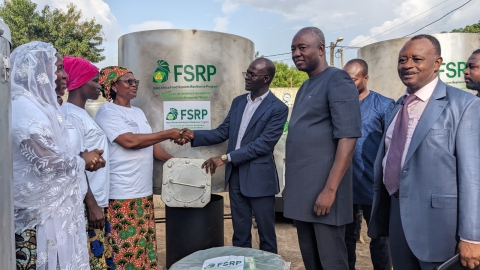
Nearly 200 women, organised into five cooperatives across the Central, Kara and Savanes regions, have recently received modern rice parboiling kits as part of the West African Food System Resilience Programme (FSRP). This equipment includes soaking tanks with capacities ranging from 800 kg to one tonne, 120-kg parboiling machines fitted with stainless steel sieves and fuelled by improved stoves, as well as drying tarpaulins. This material support is complemented by technical and entrepreneurial training designed to strengthen management capacities and improve the profitability of the activities.

The introduction of this equipment not only increases production volumes but also significantly reduces post-harvest losses and improves the quality of parboiled rice. Working conditions for women processors are also improved, with safer and less physically demanding processes.

The rice processed in this way, being more nutritious and commanding a higher market price, offers new economic opportunities, helping to increase incomes and empower beneficiaries.

The official handover of the equipment, held on 25 March 2026 in Tchamba, forms part of a national drive to modernise agriculture and promote female entrepreneurship in rural areas. This initiative highlights the strategic role of local rice processing in reducing dependence on imports and strengthening food security.

Beyond the provision of equipment, the approach adopted is based on comprehensive support, including close technical monitoring, to ensure that cooperatives sustainably adopt the technologies. On the ground, this initiative is seen as a key driver for boosting the local economy, improving people’s living conditions and strengthening the resilience of food systems.

Through this initiative, Togo is reaffirming its commitment to making the rice sector a driver of inclusive development, by placing women at the heart of agricultural transformation.

Senegal: Modern agricultural farms, development work officially launched in Taif, Mbayenne and Niakhène

Published on 14 March 2026

As part of the programme to develop 1,000 hectares of modern farms for community agricultural cooperatives, the FSRP-SN officially handed over the sites in February to the companies responsible for the development work in the municipalities of Taif (Diourbel region) and Mbayenne and Niakhène (Thiès region).

The handover of the sites to the contractors took place in the presence of administrative and local authorities, decentralised technical services, beneficiaries and representatives of the cooperatives, who contributed to the mobilisation and securing of land rights for the sites.

Divided into 50 farms of 20 hectares each, they are subdivided into 1-hectare plots, intended primarily for young people and women agripreneurs, with a view to promoting agricultural entrepreneurship and revitalising the rural economy.

The development works include the drilling of boreholes, the installation of modern irrigation systems (centre pivot, drip and sprinkler), the construction of water storage tanks, agricultural greenhouses, and multi-purpose buildings for the cooperatives. The sites will also be secured by fencing and equipped with infrastructure for livestock farming (poultry, sheep and goat rearing).

The pumping system will rely primarily on solar and thermal energy (with a backup generator), reducing operating costs and the carbon footprint.

In parallel, a support mechanism for development will be rolled out, providing agricultural advisers and training sessions to guide beneficiaries towards efficient and sustainable farming practices.

Led by the Ministry of Agriculture, Rural Infrastructure and Food Sovereignty, this initiative aims to modernise agricultural production, create jobs for young people and women, and strengthen Senegal’s food sovereignty.

A breath of fresh air for producers

At the handover of the sites, representatives of the cooperatives and producers expressed their enthusiasm and hope regarding these transformative investments, which are expected to bring about a lasting change in agricultural production conditions in these localities.

For many young people and women in rural areas, these modern farms represent a concrete opportunity to access land, modern equipment and sustainable incomes.

The implementation of this infrastructure will be overseen by ANIDA, in close collaboration with administrative and local authorities, decentralised technical services (DRDR, ANCAR, SDDR, DREEC, etc.) and producer organisations.

Through this initiative, the FSRP in Senegal is actively contributing to the modernisation of agriculture, strengthening the resilience of food systems and accelerating the achievement of food sovereignty in Senegal.

Sierra Leone: Farmers derive instant result from Field-Based Research supported by FSRP

Published on 14 March 2026

For many years, smallholder farmers in rural communities struggled to increase their yields despite their hard work and experience. Limited access to practical research and modern technologies forced them to rely on traditional farming practices that no longer produced optimal results. Through the Food System Resilience Program (FSRP), this challenge is now being addressed by bringing adaptive solutions, from the field-based research funded by the project.

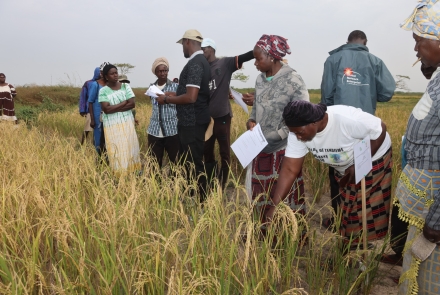
Under FSRP’s Adaptive Research support, six researchers at the Sierra Leone Agricultural Research Institute (SLARI) were awarded grants to work closely with farmers, testing improved production practices on real farm plots rather than in distant laboratories. Farmers actively participated in selecting crop varieties, testing soil and plant health management techniques, and refining planting calendars based on local climate conditions. This hands-on approach allowed them to witness results firsthand and compare new methods with their traditional practices.

To ensure immediate impact on smallholders, FSRP worked with the researchers to fine-tune their research focus. Priority areas included reducing aflatoxin contamination, improving plant health, maximizing fertilizer efficiency, and promoting climate-smart farming practices. The goal was simple: increase productivity while lowering production costs.

For Mohamed Kamara, a farmer whose produce was rejected two years ago due to high aflatoxin levels, the new knowledge has restored hope. “My crops were once rejected, and I lost income,” he said. “Now I understand how to prevent aflatoxin. This means better prices, more food for my family, and a secure future.”

Being that cassava is the country second staple with a potential to convert the waste into energy, Ibrahim Boa, a cassava producer, described the research as transformative. He gained skills to convert cassava waste into energy, reducing waste and creating an alternative power source for processing. “What we used to throw away can now help us save money and improve production,” he shared.

At the end of the 2025 harvest season, FSRP visited Five of the participating communities and observed clear improvements. Around 10,000 farmers adopted so far, spending less on production and yields increased by 1.5%. Most importantly, farmers trusted the innovations because they were developed on their own fields and aligned with their indigenous knowledge.

FSRP’s approach demonstrates that scaling up production does not always require complex or expensive interventions. By supporting adaptive research and promoting community ownership of research findings, FSRP is delivering practical, immediate, and sustainable results for smallholder farmers across Sierra Leone.

Sierra Leone : Building Flood-Resilient Communities through an effective Early Warning System

Published on 14 March 2026

Two years ago, riverine farming communities across Sierra Leone lost an estimated 15% of their rice production due to flooding, resulting in reduced yields, lost incomes, and heightened food insecurity for smallholder farmers. At the time, the Early Warning System (EWS) within the Ministry of Agriculture and Food Security (MAFS) was not fully functional, limiting farmers’ ability to prepare for climate-related shocks.

As part of its mandate to strengthen Sierra Leone’s food systems, the Food System Resilience Program (FSRP) revived and reinforced the national Early Warning System to better protect farmers from climate risks. Working closely with key partners including the Sierra Leone Meteorological Agency (SLMeT), the National Water Resources Management Agency (NWRMA), and the National Disaster Management Agency (NDMA) to deliver critical infrastructure, produce bulletin and build technical capacity to improve the availability and use of timely, reliable climate information.

The project procured and installed 15 weather stations for SLMeT, constructed hydrological stations for NWRMA across the country, provided modern data-collection gadgets, and strengthened the capacity of technicians and extension workers to collect, analyze, and disseminate early warning data. These investments are now translating into practical benefits for farming communities.

For Mabinty Conteh, a smallholder farmer in Robere Village, Port Loko District, access to accurate weather forecasts and cropping calendars was transformative. “Before, I planted by guesswork,” she explained. “Now I know when the rains will start and how long they will last.” By adjusting her planting dates and crop choices, Mabinty increased her yields and reduced production losses.

Similarly, Isata Sesay, who lost her entire farm to flooding in 2023, found renewed hope through FSRP support. Having lost her seeds, savings, and income, she was unable to farm the following season. In 2024-25, FSRP supported her with inputs to cultivate one hectare of rice. During harvest, Isata shared, “The flood reduced me to nothing, and my family could hardly afford meals. Thanks to FSRP, I am farming again and standing as an independent woman.”

In late 2025, during a joint field visit to one of the riverine communities, an NWRMA beneficiary, Jounah Kamara, testified to the impact of the capacity-building support. “FSRP has equipped me with the knowledge and tools needed to provide farmers with accurate information, recognizing that water plays a critical role in food production. Before FSRP, I had limited skills and equipment to monitor water levels and share timely data. Now, I am confident that our work is directly protecting lives and livelihoods.”

During the 2025 World Food Day celebration, the Minister of Agriculture and Food Security, Dr. Henry Musa Kpaka, proudly recognized FSRP’s contribution to strengthening the Early Warning System as critical infrastructure supporting the Feed Salone initiative. “By turning climate data into practical advice for farmers,” he stated, “we are reducing losses, increasing productivity, and safeguarding national food security.”

Through this strengthened Early Warning System, FSRP is building flood-resilient communities and ensuring that climate shocks no longer wipe out farmers’ hard-earned gains.

Togo: agro-hydro-meteorological data to improve agricultural productivity

Published on 14 March 2026

For a long time, farmers lived at the mercy of an unpredictable sky, and the weather was almost a mystery. Should they sow now… or wait for the rain?

In the villages, this uncertainty sometimes led to losses and forced farmers to take out loans to get through the season.

In Gadjagan, in the Agou prefecture, AGBAKLA Véronique was all too familiar with this reality. “Before, we used to farm without taking weather data into account. Often we would sow and it wouldn’t rain. We farmed in uncertainty (…)

Today, farmers are learning to plan ahead. Thanks to digital technology, agro-hydro-climatic information is no longer distant or uncertain: it is accessible, understandable and useful in everyday life. This innovation, introduced by the West African Food System Resilience Programme (FSRP TOGO) and its partners, enables farmers to make the right choices at the right time, thereby increasing the chances of success for their farming seasons.

“Since we’ve been receiving weather information, we now know when to sow. We also know weeks in advance whether it’s going to rain or not. This improves our yields.”

The relay committees set up within the Planned Agricultural Development Zones (ZAAPs) play a key role. These on-the-ground actors pass on the rainfall forecasts produced by the Togolese National Meteorological Agency (ANAMET) – disseminated via digital solutions – to their fellow farmers in local languages. In Gadjagan, the relay committee meets once a month and shares the weather information received with the 178 producer members of the ZAAP. Following the example of the Gadjagan ZAAP, 39 weather sub-committees have been set up to relay climate information across Togo’s six agricultural regions. Every message and every alert enables them to plan sowing more effectively, organise the growing season and protect their crops.

It all starts with weather forecasts produced by the Togolese National Meteorological Agency (ANAMET). But to be useful, this information must reach farmers at the right time. Thanks to the SIHAM platform, an innovative digital solution that improves the dissemination of rainfall forecasts, messages are sent via text and voice calls in French and local languages directly to farmers organised within the ZAAPs.

Behind this project initiative lies a dynamic public-private partnership, led by the FSRP, ANAMET, the IFDC, telecommunications providers (Moov, Yas Togo) and other partner organisations (ICAT, CTOP), which combine expertise and technology to make the weather a true ally for farmers.

Furthermore, the refurbishment and equipping of weather stations have modernised climate data collection. FSRP Togo has facilitated the acquisition of spare parts, enabling the upgrading of automatic weather stations and thereby strengthening its global network. With new interconnection and transmission equipment, information flows more efficiently and is analysed more seamlessly. To make the most of these innovations, the FSRP supported the training of ANAMET staff in agrometeorology, climate change and sustainable development at Agrhymet

Today, these enhanced skills enable them to transform this data into reliable forecasts, directly useful to farmers in the field.

“Before, the success rate of our forecasts was around 40%. Thanks to the training, we have helped improve our bulletins to an 85% success rate,” says a beneficiary of the climate change training

Through this initiative, 123,598 farmers, 41.28% of whom are women, now have access to agro-hydrometeorological information.

Regional wrap up meeting of FSRP support missions: significant progress in the programme implementation

Published on 7 March 2026

On 2–3 March 2026, in Lomé, Togo, more than 80 participants from Burkina Faso, Mali, Niger, Senegal, Sierra Leone, Chad and Togo, as well as from CILSS, CORAF, ECOWAS and the World Bank, gathered to review the support missions carried out by countries and regional institutions in implementing the programme. The Lomé meeting provided an opportunity to strengthen the coordination of regional and national activities, promote the exchange of experiences and reinforce synergies between all stakeholders and partners in the West Africa Food System Resilience Programme (FSRP).

Following the regional review meeting of support missions held in Accra, Ghana, in March 2025, FSRP implementation stakeholders and partners reviewed progress made and made the necessary adjustments to achieve the programme's objectives during the 2026 meeting in Lomé, Togo.

Activities related to digital advisory services for food crisis prevention, sustainability and adaptation of the productive base, and facilitation of intraregional trade in West Africa were reviewed at both the regional and country levels. Discussions also focused on strengthening coordination between the regional and national levels to maximise synergies and enhance mutual learning among FSRP stakeholders.

Overall, it appears that the actions carried out in the countries and at the regional level have reached a total of 3,528,5743 direct beneficiaries, 35% of whom are women, since its implementation in all eight (08) beneficiary countries, namely Burkina Faso, Ghana, Mali, Niger, Senegal, Sierra Leone, Chad and Togo.

Despite a difficult context for implementing activities on the ground due to socio-political and security challenges, major achievements have been noted in terms of people's access to climate and agricultural information, the creation and dissemination of resilient technologies and innovations, the facilitation of cross-border trade and support for stakeholders in the development of agricultural reserves. These results were welcomed by partners at all levels, who reiterated the need to strengthen exchanges between national and regional stakeholders, a specific feature of the programme, as highlighted during the opening ceremony of the meeting by

the Executive Director of the Regional Agency for Agriculture and Food (ARAA), the Executive Director of CORAF, the representative of CILSS, the FSRP Programme Manager (TTL) at the World Bank and the Chief of Staff to the Minister of Agriculture, Fisheries, Animal Resources and Food Sovereignty of Togo.

They also highlighted the unique nature of the FSRP, which addresses a wide range of issues including agrometeorology, climate change, the employability of women and young people, food safety, trade in agricultural products, the free movement of agricultural products, sustainable land management, rational management of natural resources, and food crises.

In view of these major achievements at both country and regional level, the FSRP is part of a sustained effort to contribute effectively to the prevention and management of agricultural and food crises in the sub-region, to strengthen the resilience of agro-sylvo-pastoral production systems and to facilitate trade in agricultural goods and inputs within and beyond national borders in West Africa.

In-depth discussions have made it possible to capitalise on good practices and promote better integration of innovative approaches aimed at improving food security, the resilience of agricultural systems and access to markets.

A special session devoted to a video competition on success stories provided an opportunity to view eleven (11) productions highlighting concrete results achieved at both the country and regional levels on a variety of themes. Following the jury's evaluation, the videos from Mali, CORAF and Niger were ranked third, second and first respectively and were awarded trophies.

The 2026 session summarising the support missions to countries and regional institutions in the implementation of the programme was an opportunity to pay tribute to Ms Maty BADIAO, Regional Coordinator of the FSRP, who has chosen to step down from her position to take a well-deserved rest after more than forty (40) years dedicated to agricultural development in the sub-region. The participants unanimously praised her exemplary commitment, professional rigour and high standards of work, which have marked her entire career. They expressed their deep gratitude for her remarkable contribution to the advancement of the agricultural sector and the strengthening of regional initiatives to promote the resilience of food systems in West Africa.

Moving food across West Africa: the good, the bad and the promise

Published on 17 February 2026

Intra-regional trade in agricultural and food products is crucial for West Africa's food system resilience, but persistent challenges result in lower official trade flows compared to other regions of Africa. Several policies have been formulated to facilitate and strengthen trade flows throughout the subregion. These include, among others, the ECOWAS Trade Liberalization Scheme (ETLS), the ECOWAS Common Agricultural Policy (ECOWAP) and the African Continental Free Trade Area (AfCFTA). Whilst the adoption of these policies and frameworks may be lauded, the evidence suggests that ECOWAS Member States are struggling with the implementation of these normative policies.

Subsequently, through the World Bank financed US$ 1.2 Billion West Africa Food Systems Resilience Program (FSRP), ECOWAS has designed and introduced the ECOWAS Agriculture Trade & Market Scorecard (EATM-S) as a flagship initiative, to monitor and enhance member states’ compliance with agreed standards.

The Good

West Africa has been a well-established, integrated region since the early 8th century and was home to the first known African empires, such as the Ghana empire and the Mali empire (also known as Mandé) in the 13th century, which included territories of several current West African countries. Both empires had strong trade relationships with their neighbours. They had large gold endowments and were at the crossroads of traders coming from both the north (Maghreb region) and south (Soudano region). In addition to gold, copper, and salt, agricultural products were highly traded in the region (Source: Niane, 1987). Trade was facilitated by the presence of homogenous ethnolinguistic groups established in several countries, which were later fragmented in the colonial period. These included the Mandingo group - present in Mali, Burkina Faso, Côte d’Ivoire, Guinea, Guinea-Bissau, and Gambia, as well as the Fulani group - present in Mali, Senegal, Burkina Faso, Guinea, Guinea-Bissau, Ghana, Benin, Niger, and Nigeria. (Source: Bouet et al, 2024).

Created in 1975, the Economic Community of West African States (ECOWAS) was established to pursue stability and regional integration in Africa and, over time, has expanded its mandate to include political dimensions. A major milestone was achieved shortly thereafter, with the launch of the ETLSin 1979 to foster regional trade. The ETLS first covered agricultural and unprocessed products (for food security reasons) and handicrafts, before it was extended to industrial products in 1990.

In that light, Ghana, a prominent member of ECOWAS, continues to participate in ECOWAS’ regional integration efforts through our commitment to ratification and harmonization of several trade policies and initiatives such as the ETLS, ECOWAP and the establishment of AfCFTA in Ghana.  

The BAD

Irrespective of all these regional strides, the harmony hoped for, is but a mirage across the sub-region. As we speak, there is no evidence that this phenomenon has changed over the period. Barriers, checkpoints, never-ending pull-overs and road inspections still exist. High custom duties and other petty charges, near-intimidating documentation requirements at borders, administrative obstacles, long hours and delays, restrictions and prohibitions and poor road infrastructure across countries persist; not to mention, robbery, harassments and abuse of female traders, and civil wars continue to plague trade activities in the sub-region.

When it comes to traders in food and agri produce, the perilous impacts cut even deeper. Imagine moving tomatoes from one country to another and doing that through numerous barrier-stops, getting pulled-over and parked for hours, exposing foodstuffs to the mercy of extreme weather. This certainly leads to the foodstuffs losing their nutritional value – that is, if they ever get to their destination markets in any marketable shape. This erodes the profit margin of the trader - hence the tendency to marginally hike prices of the few that make it to the market, to make up for the losses. It also discourages more traders from participating in the enterprise, leaving the trade to only a handful of traders to dictate terms in the marketplace. Livestock are also not spared the dread. Travelling long distances on mostly bumpy roads disorients them, in addition to dehydration under the scorching sun across time zones. Some eventually are unable to survive the journey.

The Promise

In view of these, the ECOWAS EATM-S performance measurement and tracking mechanism aims to identify gaps in the national implementation of regional agricultural and food trade policies.

Through the EATM-S, ECOWAS is monitoring and assessing the progress or otherwise being made by member countries towards breaking barriers, igniting speed, cutting costs and significantly increasing the volumes of trade in food and agricultural produce (particularly maize and rice across the sub-region from 20% to 30% by 2028). As part of the assessment process, public authorities and regulatory bodies across the sub-region - like Customs and Standards regulators, Chambers of Commerce, trade experts/practitioners and business advocacy groups, were surveyed for vital information to track national implementation of regional policies and regulations. Manufacturers, wholesalers, retailers, cross-border traders, forwarding agents, logistics/shipping and transport companies also divulged some critical information.

ECOWAS’ investigative focus was on a range of cross border administrative protocols and processes like the extent and value of intra-regional imports and exports of agricultural goods and inputs, restrictions. Time spent, costs, prohibitions and documentation requirements, custom duties or other charges, as well as the quality of transport infrastructure and frequency of road inspections and checkpoints were all under scrutiny. The outcome of this assessment will further increase transparency and accountability of agricultural trade within the sub-region. The results of this year’s scores are expected to be released within the 3rd quarter of 2025, when each member country’s performance in enhancing or stifling cross-border trade would be out for all to see.

Ghana’s strategic Pitch

At the dawn of his second term, President Mahama embarked on a number of ‘Good Neighbourliness Tours’ aimed at reinforcing diplomatic and economic relations with Ghana’s neighbouring countries. During his visit to Mali, he highlighted the vital role that long-distance truck drivers play in the economies of both nations. He acknowledged the existing challenges faced by these transporters, including cumbersome customs procedures, roadblocks, delays at border crossings, and unofficial fees imposed along the route.  The President expressed his administration’s unwavering commitment to strengthening regional trade by ensuring that all barriers hindering the smooth transportation of goods between Ghana and Mali are removed. Similarly, in Burkina Faso, President Mahama announced ongoing discussions to introduce direct daily flights between Accra and Ouagadougou. This initiative aims to boost trade, connectivity and cross-border relations between Ghana and Burkina Faso, further strengthening bilateral ties. 

These moves from Ghana are indeed crucial for fostering intra-regional trade and economic growth and enhancing relations between Ghana and its neighbours.

Already, through World Bank funding, FSRP Ghana is upgrading facilities such as laboratories and offices belonging to the Plant Protection and Regulatory Services Directorate (PPRSD) of the Ministry of Food and Agriculture (MoFA) at 4 border stations located at Paga, Hamile, Sampa and Aflao. The Project is also set to upgrade selected bulk markets – Bolga, Abofour, Ejura, Agogo and Denu - where substantial intra-regional trade in rice, maize, among others are carried out. These interventions would not only facilitate improvement in Sanitary and Phytosanitary (SPS) activities but would also boost agricultural trade between Ghana and its neighbours.

Shadows of ECOMOG

‘FSRP Ghana’ believes that where trade and commerce fail to go, conflicts and hunger go! In the past, ECOWAS was primarily recognised for its peacekeeping activities within the subregion, particularly through the ECOWAS Cease-fire Monitoring Group (ECOMOG). Ghana has been pivotal in these efforts geared at fostering and entrenching regional peace and stability - through the contribution of troops, ammunition, intelligence, funding and sterling diplomacy. But now, marching forward, ECOWAS, the World Bank, Ghana and sister FSRP nations are taking up arms against hunger, climate perils and food insecurity. From the perspective of ‘FSRP Ghana’, ECOWAS-led peace-keeping efforts offered a platform for Ghana to showcase her GENERALS. In like manner, an ECOWAS-led campaign against food insecurity should produce ‘Generals-In-Agriculture’ for Ghana!

Launch of technical assistance and strategic alignment for the Soil Digital Hub in Sierra Leone with the support of FSRP

Published on 2 February 2026

On Tuesday, 27 January 2026, a consortium comprising the Regional Hub for Fertilizer and Soil Health for West Africa and the Sahel, the International Institute of Tropical Agriculture (IITA), the Food Systems Resilience Program (FSRP), the Ministry of Agriculture and Food Security (MAFS), the Sierra Leone Agricultural Research Institute (SLARI), and their partners formally launched a technical assistance initiative for the Soil Digital Hub in Sierra Leone. The event took place at the Radisson Blu Hotel in Freetown.

The initiative aims to achieve strategic alignment between national institutions, development partners, and regional and international research bodies. It focuses on validating the project scope, sequencing priority activities, and strengthening governance arrangements through a clear RASCI framework to guide roles, responsibilities, and decision-making. This approach is intended to ensure coordinated implementation and formal endorsement of a shared roadmap for the Soil Digital Hub.

The launch brought together senior government officials, development partners, researchers, and representatives from IITA, MAFS, SLARI, and Njala University, as well as other key stakeholders. Discussions centered on advancing soil health as a practical and sustainable pathway to reducing production costs and increasing agricultural productivity for smallholder farmers across Sierra Leone. Participants emphasized that improved soil information and management are critical to strengthening the entire agricultural value chain, from input suppliers and extension services to producers and agro-processors.

During the engagement, ISRIC highlighted its contribution through technical backstopping and capacity strengthening delivered via IITA. The collaboration is designed to build local expertise, improve access to modern soil data, and ensure that global knowledge and tools are effectively adapted to Sierra Leone’s conditions, with lasting impact for farmers and institutions alike.

The FSRP Project Manager, Dr. Kepifri Lakoh, recalled that the Soil Digital Hub originated from a formal request submitted two years earlier by Dr. Henry Musa Kpaka on behalf of MAFS. He explained that the initiative was designed to address persistent soil fertility constraints, close information gaps, and strengthen evidence-based decision-making in agricultural planning and production. He further noted that the project will build the skills of young Sierra Leonean scientists in soil health management, while reinforcing national research and development systems over the long term.

Dr. Lakoh also announced that FSRP has signed two Memoranda of Understanding with IITA to support the Government of Sierra Leone’s flagship agricultural transformation agenda, the Feed Salone Initiative. These agreements provide a framework for sustained technical cooperation, technology transfer, and institutional strengthening that benefit farmers, researchers, and policymakers.

The inception meeting marked the formal engagement of the Soil Digital Hub, funded by FSRP and implemented through collaboration among IITA, MAFS, SLARI, and Njala University. Under the MoU between IITA and FSRP, IITA will upgrade the existing Soil Digital Hub developed by SLARI and Njala University, integrating advanced technologies to improve soil data generation, analysis, and use. This upgrade will enhance advisory services for extension agents, input suppliers, and producers by enabling more accurate, location-specific recommendations.

Addressing participants, the Minister of Agriculture and Food Security commended the initiative for tackling the long-standing challenge of blanket fertilizer application in Sierra Leone. He explained that the integration of artificial intelligence and big data analytics into the Soil Digital Hub will allow for site-specific fertilizer recommendations based on local soil conditions. According to the Minister, this innovation will help farmers apply the right inputs at the right rates, reduce unnecessary costs, improve yields, and increase farm incomes, while promoting environmentally sustainable practices.

The Minister further acknowledged the contribution of soil scientists from Njala University involved in the National Comprehensive Soil Survey, which provides the foundational data for the Soil Digital Hub. He described the initiative as a major step toward modernizing the agricultural sector, strengthening resilience across the food system, and improving coordination among public institutions, research organizations, and development partners.

Concluding the discussions, Dr. Lakoh encouraged stakeholders to adopt government-led arrangements to ensure the sustainability of the Soil Digital Hub beyond the lifespan of FSRP financing. He emphasized national ownership, institutional integration, and long-term financing as critical factors for maintaining and expanding the platform.

Overall, the Soil Digital Hub initiative represents a strategic investment in science, technology, and human capacity. By strengthening collaboration among IITA, FSRP, MAFS, SLARI, and their partners, the initiative is expected to deliver tangible benefits to agricultural stakeholders—lower production costs for farmers, improved advisory services, stronger research systems, and more informed policy decisions—thereby supporting data-driven agriculture and the successful implementation of the Feed Salone Initiative in Sierra Leone.

Greenhouses handed over to Njala Community to support Sierra Leonean Producers

Published on 2 February 2026

The Minister of Agriculture and Food Security has launched the Ministry’s 2026 service delivery activities with a symbolic harvest of sweet peppers and the handover of four irrigated greenhouses to the Njala community. The initiative marks a practical step toward strengthening domestic food production and supporting local producers across Sierra Leone.

The greenhouses were provided under the Food System Resilience Program (FSRP), financed by the World Bank, with the objective of improving agricultural research, innovation, and climate-smart production systems. Beyond their academic use, the facilities are intended to generate direct and indirect benefits for Sierra Leonean producers by testing improved production practices that can be adopted by farmers nationwide.

During the handover, the Minister emphasized that investments in protected vegetable production are particularly relevant for smallholder farmers. Greenhouse technologies allow producers to cultivate vegetables throughout the year, reduce losses linked to climate variability, improve yields per unit area, and ensure more stable supplies to local markets. These advantages are expected to translate into higher and more predictable incomes for farmers, while also improving the availability of nutritious foods for consumers.

The Minister further noted that vegetable production offers accessible entry points for women and young people, given its relatively short production cycles and lower labour requirements compared to some staple crops. Lessons learned from the Njala greenhouses are expected to inform extension services, seed selection, water management, and pest control practices that can be scaled up for producers in different agro-ecological zones of the country.

The FSRP Project Manager explained that situating modern infrastructure at Njala University creates a link between research, training, and farmers’ needs. Data and experience generated through the greenhouses will support evidence-based recommendations for producers, including climate-resilient varieties, efficient irrigation techniques, and improved post-harvest handling. This approach is designed to strengthen farmers’ capacity to adapt to climate shocks while remaining competitive in domestic markets.

Receiving the facilities, the Vice-Chancellor of Njala University highlighted their role in strengthening teaching, applied research, and community outreach. He noted that the university will work closely with surrounding farming communities to ensure that knowledge and technologies developed on campus are transferred to producers and contribute to national agricultural development.

As the Food System Resilience Program enters its fourth year of implementation, it continues to focus on practical investments that benefit Sierra Leonean producers by increasing productivity, reducing vulnerability to climate risks, improving nutrition, and supporting sustainable economic growth.

Subscribe to